Crossplay






GOOD GAME TO GREAT COMPANY
CROSSPLAY is a game company builder. From startups to multinationals, we help good game to build a great company.
Game Investment
Trends and Strategy · Opportunity Areas · Evaluating and Screening
Game Publishing and Ops
International Expansions · Marketing and Community Building · Global Operations
Blockchain Gaming
P2E Model · Metaverse · NFTs, Crypto and Web3
Jin Oh is the Founder of Crossplay. He is the former President of Worldwide Publishing at Riot Games, where he led esports, marketing, international offices, global publishing, customer service, localization, and martech. He was also part of the company’s executive team, developing and leading the company strategy and key initiatives. Before becoming President, Jin was the Vice President of International, responsible for Riot Games’ international expansion, local offices, and regional publishing. He started as the Country Manager of Korea and Managing Director of Asia, building the company’s presence and launching League of Legends in the region.
Jin was also the CEO of Garena (Sea Limited), a unicorn based in Singapore. He was responsible for game development, self-publishing, third-party publishing, and the P&L of the company.
Before Riot Games, Jin was the Managing Director of Korea and Managing Director of Southeast Asia at Blizzard Entertainment.
Jin helped launch some of the biggest entertainment titles, including League of Legends, Valorant, TFT, Free Fire, World of Warcraft, and Starcraft. In the last decade, Jin has led teams of over 2,000 people.
Jin has a global background, having lived in Korea, Singapore, the Philippines, and the United States. During his early years, he attended international schools where over 50 nationalities were represented. His global background translated to his global career, leading Riot Games’ approximately 20 international offices and international publishing.
Most recently, Jin was the Chief Global Publishing Officer at KRAFTON. He now leads Crossplay as its Founder.
Jin currently resides in Seoul, South Korea, with his wife and two kids. He enjoys working out, playing video games, and reading a good book during his spare time.
- 2024 – 2026Chief Global Publishing OfficerKRAFTON2022 – 2024External AdvisorBain & Company2022 – 2023ScoutAndreessen Horowitz2018 – 2021President — Global Esports, World-Wide Publishing, International Operations & Executive TeamRiot Games2017 – 2018Chief Executive OfficerGarena2013 – 2017Vice President & Managing Director of InternationalRiot Games2011 – 2014Country Manager Korea and Managing Director of AsiaRiot Games2010 – 2011Managing Director of Southeast AsiaBlizzard Entertainment2008 – 2010Managing Director of KoreaBlizzard Entertainment2007 – 2008Senior DirectorBlizzard Entertainment2005 – 2007Marketing DirectorBlizzard Entertainment2003 – 2004Director, Global Business DivisionSK Telecom2001 – 2003Strategy Consultant, In-House Consulting Team, Office of the SK Group ChairmanSK Group
책 소개
"게임에서 문화로, 〈리그 오브 레전드〉 최초의 인사이드 이야기"
"라이엇 게임즈의 ‘플레이어 중심주의’는 무엇인가?"
〈리그 오브 레전드〉는 어떻게 e스포츠를 넘어 문화로까지 성장할 수 있었을까? 그 해답은 우리말로 ‘플레이어 중심주의’라고 할 수 있는 ‘플레이어 포커스’에 있다. ‘플레이어 포커스’는 라이엇 게임즈, 〈리그 오브 레전드〉, 커뮤니티를 이어주며 글로벌 문화로 자리매김하는 데 비옥한 토양을 제공했다. 많은 기업이 똑같은 슬로건을 내세우지만 모두가 같은 결과를 내는 것은 아니다. 그렇다면 라이엇 게임즈는 어떻게 이 같은 생태계를 만들 수 있었을까? 라이엇 게임즈 코리아 초대 지사장으로 시작해 본사 프레지던트까지 역임한 오진호 저자가 보고 겪고 실천한 이야기에서 그 노하우를 찾아보자.
추천사
페이커 이상혁 (프로게이머)
《리그 오브 레전드 플레이어 중심주의》는 내 안의 프로게이머 페이커를 탄생하게 해준 〈리그 오브 레전드〉 역사서이다. 내가 이 책의 일부가 되었다니 영광이다. 자신 안의 챔피언(그것이 프로게이머이든 창업가이든)을 깨우기를 바라는 분들께 적극 추천한다.
서수길 ((BJ 케빈) 아프리카TV CBO)
이 책에는 글로벌 회사 본사에서 톱 매니지먼트(top management)를 해보지 않으면 도저히 알 수 없는 저자의 경험과 보석 같은 지혜가 담겨 있다. 세계 1위 게임이 어떻게 부가가치를 창출하는지를 대부분의 사람은 잘 모른다. 이 책에 그 해답이 있다.
이 책을 교수님과 중고 선생님들께서 읽어보시길 강권한다. 중고생 자녀를 둔 부모님들도 꼭 읽어보았으면 한다. 조금 생소한 단어들이 나오지만 그 단어들을 알게 되는 것만으로도 아이들과 소통을 할 수 있게 될 것이다. 디지털 경제, 4차 산업혁명을 어떻게 이해하고 지원과 규제를 해야 할지 고민하는 공무원들도 꼭 읽으시길. 제발. 우리 한국 청년들이 전 세계로 나아가서 도전하기를 응원한다. 그 무엇보다 뉴 이코노미(new economy)와 창업에 관심 있는 청년들은 꼭 읽어야 한다. 그토록 필요했던 내용을 듬뿍 담은 바로 그 책이 ‘ㄷㄷㄷㅈ’
조혁진 (라이엇 게임즈 한국 대표)
〈리그 오브 레전드〉와 라이엇 게임즈의 비하인드 스토리가 궁금하신가요? 한국 초대 지사장이자 미국 프레지던트로 활약하신 오진호 저자가 직접 풀어낸 이 책에서 성공 비결을 찾아보세요. 여러분에게 새로운 인사이트를 선사할 거예요.
전용준 (e스포츠 캐스터)
라이엇 게임즈, 〈리그 오브 레전드〉, 〈발로란트〉, LCK, 롤드컵, 〈아케인〉. 20년 넘게 게임 캐스터로 활동해오며 내 가슴을 뜨겁게 달군 하나하나다. 이 책에는 내가 한 일도 있다. 내 이야기도 있다. 내가 아는 이야기도 있다. 내가 모르는 이야기도 있다. 내가 아는 이야기는 내 기억보다 정확했다. 내가 모르는 이야기에서는 깨달음을 얻을 수 있었다. 저자인 오진호 대표. 이분을 2005년부터 알았다. 이분은 정말 찐이다. 게임 회사 임직원 필독, 〈리그 오브 레전드〉 팬이라면 필독. 성공한 게임 회사에 대한 인사이트가 필요하신 분 강추. 술술 잘 읽힌다. 우린 모두 〈리그 오브 레전드〉를 아니까.
작가의 말
"LoL 컬처? 책에서 어떤 얘길 할 것인가?"
나는 라이엇 게임즈에 한국 대표로 합류해 서울에 한국 지사를 설립하고 〈리그 오브 레전드〉를 국내에 출시했다. 그 후 미국 로스앤젤레스 본사로 건너가 최고 경영자에게 보고하는 최고 임원(Executive Team)으로 일하면서 전 세계의 e스포츠 및 퍼블리싱 프레지던트를 맡았다. 이후 2021년 퇴사하고 한국으로 귀국해 현재는 벤처캐피털 비트크래프트에서 아시아 지역 게임 스타트업 투자를 담당하고 있다. 퇴사한 지 2년이 지난 지금도 라이엇 게임즈에서의 값진 경험은 잊지 못한다.
오늘날 〈리그 오브 레전드〉는 게임 그 자체를 넘어 하나의 생태계가 되었다. 우리가 사는 지구라는 생태계에서는 빛이 나무를 자라게 하고, 나무에서 열리는 열매가 동물의 양식이 되고, 동물의 모든 것이 흙으로 돌아간다. 흙은 다시 나무가 자라도록 자양분을 제공한다. 나는 라이엇 게임즈가 〈리그 오브 레전드〉 생태계를 구축했다고 믿는다. 라이엇 게임즈의 두 창업자는 ‘플레이어 포커스’라는 가치를 높게 들어 우여곡절 끝에 모든 플레이어에게 평등한 게이밍 기회를 제공하는 〈리그 오브 레전드〉를 만들었다.
플레이어들은 〈리그 오브 레전드〉의 평등한 게이밍 경험과 게임성 그 자체만으로 5대5 실시간 대전에 빠져들었다. 관심도가 높아지고 셀럽 스트리머들이 하나둘씩 대전 영상을 방송했다. 그 덕분에 라이엇 게임즈는 직접 〈리그 오브 레전드〉를 하지 않아도 대전 영상을 보는 사람들이 있다는 사실을 눈으로 확인할 수 있었다. 그 움직임을 놓치지 않았다. 찬란했던 스타리그 전성기를 뛰어넘는 e스포츠 시장을 만들고 영화와 음악까지 제작했다. 〈리그 오브 레전드〉라는 게임을 둘러싸고 플레이어뿐만 아니라 보는 사람들 그리고 굿즈를 모으는 컬렉터, 영웅으로 치장하는 사람들까지 다양한 영역에서 사람들의 군집이 생겨났다.
방금 언급한 이야기에서 라이엇 게임즈는 흙, 〈리그 오브 레전드〉는 누구에게나 공평하게 산소와 열매 그리고 그늘을 제공하는 나무다. 〈리그 오브 레전드〉를 즐기는 다양한 군집에 있는 사람들은 생태계에서 동물에 속한다고 볼 수 있다. 나는 이를 커뮤니티라고 부른다. 이렇게 라이엇 게임즈, 〈리그 오브 레전드〉, 커뮤니티가 만든 생태계를 이 책에서는 ‘〈리그 오브 레전드〉 문화’ 줄여서 ‘LoL 문화’로 부른다.
이 책에 LoL 문화를 만든 수많은 이야기를 담았다. 그렇다고 책 전반에 걸쳐 빽빽하게 그리고 체계적으로 LoL 문화를 집중 탐구하지는 않는다. 경제경영서로의 가치를 담았다기보다는 경험을 엿보는 에세이다. 가능하면 시간 흐름으로 이야기를 전개하지만 후반부는 주제 중심으로 이야기를 담았기에 꼭 그렇지는 않다. 이를 보완하고자 연도나 직책의 변화를 곳곳에 달아두었다. ‘무엇’을 하는지뿐만 아니라 ‘왜’ 그런 선택을 했고 ‘어떻게’ 해왔는지도 공유할 것이다. 〈리그 오브 레전드〉와 라이엇 게임즈의 성공에 대한 비하인드 스토리를 살펴보는 재미도 있을 것이다.
책 구성
1부: 라이엇 게임즈는 어떤 회사인가?
라이엇 게임즈는 좀 유별난 회사다. 제품(게임)이 아니라 플레이어에 집중한다. 창립자이자 하드코어 게이머인 마크와 브랜든은 ‘플레이어 포커스'한 회사를 만들고 실제로 라이엇 컬처로 정착시킨 장본인이다. 1부에서는 저자가 라이엇 게임즈와 인연을 맺게 되는 이야기 그리고 독자가 라이엇 게임즈 전반을 알아가는 데 필요한 밑그림을 제시한다. 플레이어 중심주의, 라이엇 컬처, 그리고 다양한 도구와 경영 스타일을 확인할 수 있다.
2부: 롤은 한국에서 어떻게 성공했나?
성공은 그래픽이나 세계관, 캐릭터, 게임 내의 어떤 요소를 플레이어들이 사랑해주었기 때문이기도 하지만, 사실 가장 큰 성공 요인은 성공을 일궈내고자 피 땀 눈물을 흘린 라이어터들에 있다. 12년 전에는 〈리그 오브 레전드〉가 지금과 같이 성공할 거라고 믿는 사람이 거의 없었다. 1위는 커녕 순위권 안에만 들어가도 성공일 것이라고 생각했다. 저자 역시 PC방 점유율에서 1위를 할 거라고 예상한 적이 없다. 그래서 순위권을 목표로 움직이지 않았다. 그저 다른 라이어터들과 열심히 할 일을 하다 보니 1위가 되어 있었다. 우리의 ‘열심히’는 ‘플레이어 포커스’가 등대였다. 2부에서는 라이엇 게임즈 코리아 지사장으로 취임하면서부터 겪은 도전의 역사를 이야기한다.
3부: 〈리그 오브 레전드〉, 문화가 되다
승전보를 울려라, ᄃᄃᄃᄌ! ‘ᄃᄃᄃᄌ’는 ‘두둥등장’의 초성을 딴 말이다. 라이엇 게임즈가 2019년에 출시한 〈전략적 팀 전투(Teamfight Tactics, TFT)〉의 모바일 버전을 광고할 홍보 동영상에 실린 힙합 노래 제목이다. 제목뿐만 아니라 노래 도중에 계속 사용된 라임이기도 하고, 인기를 얻어 2020년 게임과 관련해서 나온 가장 재미난 밈(Meme) 중 하나가 되었다. 〈리그 오브 레전드〉는 게임 자체도 인기가 있지만 e스포츠로서, 음악과 미술과 영화 등에서 IP를 활용해 다양한 활용을 벌인다. MZ 세대에게는 문화 그 자체가 되었다. MZ 문화로서 〈리그 오브 레전드〉를 살펴본다.
4부: 라이엇 게임즈처럼 일하기
라이엇 게임즈 직원(라이어터)는 어떻게 일할까? 수평적인 문화로 유명한데 정말로 그럴까? 4부에서는 라이엇 스타일인 ‘플레이어 포커스 게임 개발', ‘플레이어 포커스 퍼블리싱’, ‘플레이어 포커스 서포트’를 살펴본다. 라이엇 게임즈는 2006년 창립했다. 2023년 현재 창립한 지 17년이 지났고 〈리그 오브 레전드〉 외에 다른 게임들도 출시했다. 지금까지도 극적인 성장을 이뤘지만 앞으로는 더 큰 결실을 얻으리라고 기대해본다. 좋은 사람들이 확실한 비전을 위해 뛰고 있으며 자금도 충분하기 때문에 충분히 근거 있는 기대다. 마지막으로 19장 ‘〈리그 오브 레전드〉를 넘어서’에서 기대의 근거를 살펴보자.
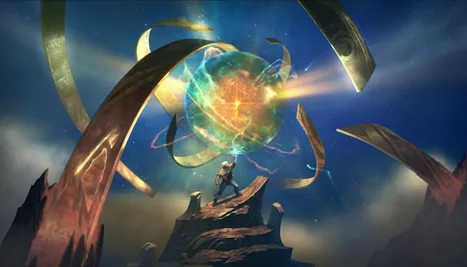
Often, video game companies are most successful in regions or the country closest to their headquarters. Despite this, many companies know that their global ambitions are more important than where they started. Although some companies have a difficult time with successful international expansion, Riot Games, for example, has experienced tremendous success in all parts of the world.
Riot’s global reach is deep-rooted in its mission “to be the most player-focused game company in the world.” One of the many goals of this mission is to serve players in the best way possible wherever they are, even though the company is based in Los Angeles. Riot recognizes that while players share a common passion for unique experiences, they are different everywhere in the world. They speak different languages, but they also have different cultures and preferences on how they want to experience games.
As such, the strategy from the very beginning was to focus on a hyper-local approach. Taking this approach means that Riot caters to the uniqueness of each of the regions that it services. To be truly global, the company found that two factors need to be true. First, it has to be crystal clear what the respective headquarters owns and what the local offices own. Usually, conflicts arise because of the lack of clarity around ownership. Second, the local offices must be empowered to make decisions that are best for the respective markets.
To do this effectively, in every market the company entered, it empowered the local team to make the best decisions for the market. First, the company provided them with clear guidelines as to what they own and do not own. Then, within what they owned, the teams were empowered to make decisions without going through the over-the-ocean approval process with those who may not understand the local markets—doing this allowed Riot to reach each audience with a clear and concise understanding of the market.
Although Riot empowered each local office to market, promote, and publish appropriately for their respective needs, the company knew that some parts of the game had to be the same everywhere in the world. For example, the character, skins, map, and gameplay had to be the same. A primary reason these aspects of the game remained the same no matter where you were in the world was for consistency. The Global Marketing Team in Los Angeles developed each character’s positioning and created the marketing assets. Still, one local office could promote a PC Cafe, and another could work with its local influencers.
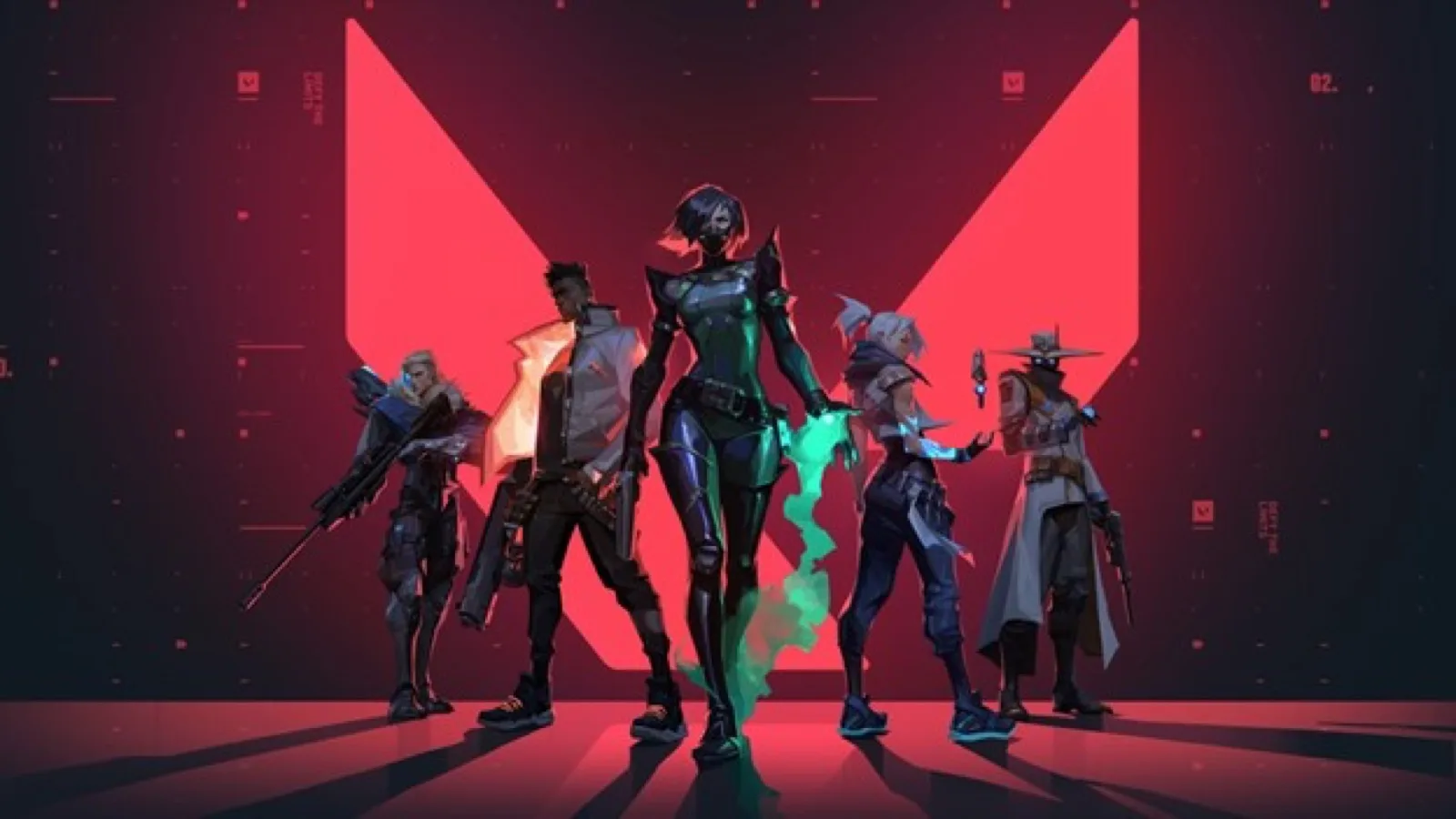
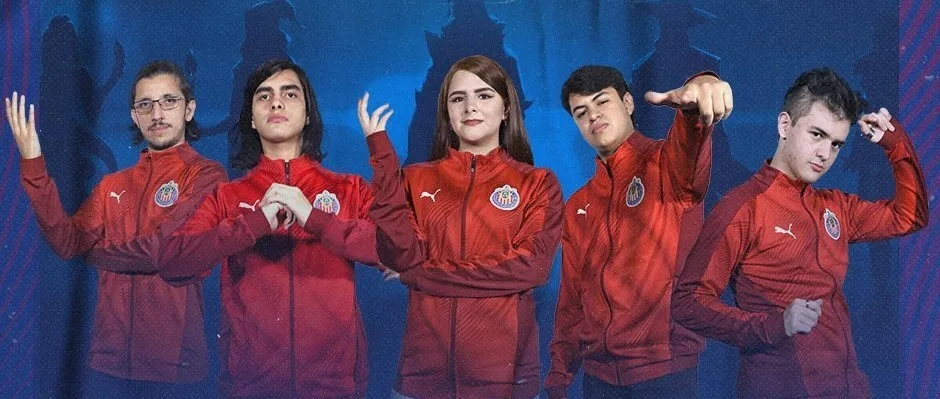
A great example of this is something I recently wrote about in a Story regarding Latin America (LATAM). As soccer is mainly popular in the region, the Riot LATAM team wanted to see if they could find a way to blend the passion for soccer with a new sport. So, the team reached out to Chivas, the second largest soccer club in Mexico. Ultimately, they collaborated on a joint five-part video series chronicling the creation of a VALORANT esports team. This did exceptionally well because the local team knew the region and knew what their players wanted.
Another example of the hyper-local approach having enormous success was in Korea. When the Riot team in Korea decided to team up with a popular rapper to launch the third set of new characters and content for Riot’s strategy game, Teamfight Tactics, it became a viral internet sensation across TikTok and Youtube. Somebody even created a website dedicated to an iconic phrase in the song. The song was even played during a major esports event in Korea and became a rallying cry across teams, no matter who the fans were rooting for. You can read more about that story as well.
I also recently wrote about the hyper-local approach in a region Riot calls “MENA” (Middle East/North Africa). The Riot team there can weave together experiences that draw inspiration from many sources within the region. For example, the team put together a music video for VALORANT as part of Eid, the final day of Ramadan celebrations. They made sure it included multiple languages and featured local mainstream artists from each of three major subregions. By pulling different artists from different regions in one video, it appealed to a larger audience. By being a part of the local community, these international teams found a way to successfully meet players where they were already spending their time.
As a result, Riot has a large fanbase in every corner of the world. Furthermore, the hyper-local model also allows Riot to hire and retain the top local talent in every region it has a presence.
KRAFTON’s life simulation game inZOI passed one million copies sold within a week of opening Steam Early Access on March 28, 2025. The title topped Steam’s popular wishlist before launch, became the platform’s top-grossing game within 40 minutes of release, and held a “Very Positive” user rating of 83% while ranking among the top sellers in North America and Asia. Its creator-sharing platform, CANVAS, drew more than 1.2 million users and 470,000 uploads, following a pre-launch push that included global game shows, influencer collaborations, online showcases, and a public demo. KRAFTON plans to grow inZOI into a long-term franchise IP through continued engagement with its community.
As a parent who has spent most of my career in the gaming industry, I often get asked for my perspective on kids and video games. My answer always includes the disclaimer that I am not an expert and that the answer varies for each family and for each child. Nevertheless, I get pressed for my opinion and information about how we manage it in our home.
I have two young kids, and they both play video games. All their friends also play games, and when they get together online or offline, I frequently hear them talk about gaming. It’s fairly evident that video games are here to stay and will only be a more significant part of our children’s lives and our collective culture as we continue to venture into this age of technology.
As parents today, especially during a pandemic, we are concerned that our children spend too much time on their screens. We often would prefer them to study, exercise, or play outdoors. I, too, struggle with this, as I often question how to best parent my children while encouraging their love for video games and technology.
The way I see it is that video games are neither “good” nor “bad.” It is similar to TV – It is how we approach and manage them that makes them a positive or negative influence.
Like many things in life, most activities done in excess can become problematic; however, when balanced and under the guidance and supervision of parents, age-appropriate video games can be healthy.
There are benefits to playing games.
First, video games are a way to connect with other kids. This sentiment was especially true throughout the last year and a half during the pandemic when we could not see each other in person. My kids were able to stay in touch with other kids and their friends through playing games together. When they could not go to school physically or play outside with their friends, spending some time during the day talking to other kids online allowed them to connect with those in a similar situation.
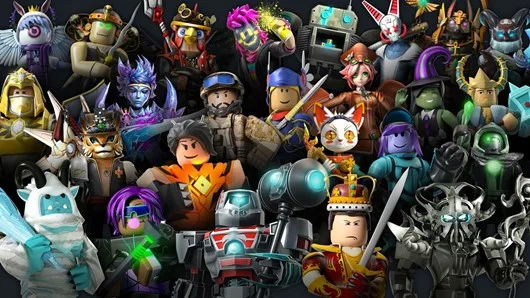
Second, games teach kids not only how to socialize, but also how to collaborate. My older child loves to play games in Roblox and Minecraft, and she usually plays with her friends. As they interact, they strategize, joke around, and argue through healthy dialogue. These are life experiences that they learn and bond from and carry with them in future situations.

I am still learning how to strike the right balance, and once again, I am by no means an expert. But for those who inquire, I tell them there are two specific ways in which I try to bring balance and guidance to my children’s gaming life.
The first one is the same rule many households have implemented for decades with the TV. We try to set specific times (and limits) for our son and daughter to play. By setting time, we are establishing more explicit expectations and boundaries. Although I must admit, this is an imperfect guideline and sometimes a hard one to consistently reinforce. Our 10-year-old is good at following this guideline, but our 6-year-old is slightly harder to manage. When we were stuck at home during the pandemic, I’ll admit we were more lenient with our time limits (hey, we’re human!). It was hard to entertain the kids—and allowing them to play provided them with the entertainment, socialization, and collaboration we discussed above in a safe environment.
Second, I play with them and talk to them about games. Parents’ involvement is something I feel is an important piece of this puzzle. It is a bit easier for me because I understand games and like to play them. But this is a choice – just like choosing to go to sports practice with them or study with them. If it is something that your child loves to do, it may not be a bad idea to get yourself involved rather than restrict their playing time. Playing with my kids allows me to understand them better and allows them to feel that their dad is involved in their interests. And I promise you, your kids can teach you how to do it if you did not grow up a gamer!
We all bring different experiences and perspectives to our parenting. I vividly remember when I was young, and my dad bought my brother and me a game console and played with us. This was a memory I cherished and am passing down to my children. Many years later, I combined my passion for gaming with my career by working in the game industry. I know that I am fortunate to do what I love. I hope my children have the ability to pursue their passions as well, even if that ultimately isn’t gaming.
I don’t know if my kids will follow in my footsteps, but for now, I am trying to bring perspective and balance to their relationship with games.
I first started in the video game industry with Blizzard Entertainment in 2005 as the Marketing Director for the Korea office. World of Warcraft took the video game world by storm. Blizzard’s StarCraft was so popular in Korea that it was referred to as the “National Pastime,” just like baseball is in the US. It was rare to find young men who did not know how to play StarCraft. Even if one didn’t play StarCraft, almost everyone knew of the game regardless of age and gender.
I landed a dream job. As a gamer, Blizzard’s games brought so much joy to me. As a business professional, I believed that video games would lead to future entertainment, and Blizzard was at the forefront. Blizzard was not just developing games, but it was building a lifestyle and culture. I spent endless days, weekends, and nights just working and gave my all. A few years later, I was promoted to the Managing Director of Korea.
In 2009, another opportunity came my way. Blizzard was opening an office in Singapore to enter Southeast Asia. The fact that I could open a new market and build a business from scratch was so exciting. Moreover, I had fond memories of Singapore. While I was in elementary school, my family briefly lived in Singapore, thanks to my father’s work. It was the first time we lived abroad, and it opened my eyes to an exciting world beyond my imagination. Singapore’s subtropical warm air created positive memories of my childhood. Having this opportunity to return to a country that made so many positive childhood memories felt like a sign. My wife and I had been trying to have a child for a long time, and my wife felt mentally exhausted and wanted a change of environment from the hustle and bustle of Seoul. As my wife also welcomed the opportunity, there was no reason to hesitate.
In January 2010, we moved from Seoul to Singapore. When we landed at the Changi Airport, the unique scent of Southeast Asia and the year-round heat and humidity surrounded us. We checked in at the hotel and grabbed a bite to eat. We talked about how excited and thankful we were to go on a new adventure as we toasted with our beers. While Seoul was frozen with sub-zero weather, it was warm where we were both inside and outside. We still reminisce and remember the smell and feel when we walked around Orchard with our short sleeves clothing, glowing with gratitude and anticipation.
It was spring in 2010. I had lunch with an industry acquaintance at an Italian restaurant. “Have you heard about Riot Games?” he asked as the meal was almost over. “Of course. It is a US company that developed League of Legends,” I answered. He told me that Riot Games was currently looking for the Country Manager of Korea and recommended me to Riot. I was a little surprised, but I was also flattered that he’d think of me.
He continued to share more about Riot. I attentively listened, and I thanked him for the opportunity, but I told him that I recently moved to Singapore to focus on my new job and was not yet ready to move back to Korea.
A few months later, I met my acquaintance again at the same Italian restaurant. At the end of the meal, he asked if I had further considered his proposal about Riot Games. I respectfully declined like the last time, but he did not give up. Instead, he asked me if I’d be open to a casual meet-and-greet. Riot wanted advice on the Korean market, and the request seemed simple to do, so I agreed.
Meeting the Future Industry Leaders

A few months passed, and I had an opportunity to visit the Riot Games office located in Culver City, California. Riot Games was in an office complex that you’d see in any city. However, it was plain compared to the impressive Blizzard campus in Irvine.
I approached the reception desk and asked for Brandon Beck and Nicolo Laurent. Brandon was the co-founder of Riot Games, and Nicolo was the Head of International. Marc Merill, the other co-founder, was on a business trip, so I connected with him via Skype later. After a few minutes, Brandon and Nicolo greeted me. My first impression was that both looked like young Hollywood actors (I remember when the legendary esports caster, Jeon Yong Joon, first saw Nicolo, he said, “Wow, you look like Tom Cruise!”).
After brief introductions, we went into Brandon’s office. We talked about the Korean video game market from the latest trends, popular games, game regulation, and the characteristics of Korean players. Brandon and Nicolo also shared a lot about Riot. Next, they talked about how League of Legends was doing in North America and Europe. Finally, they shared their vision and ambitions for the Korean market. It was so fascinating and exciting. Riot was a vibrant start-up with so much energy and a positive vibe.
What I planned to be a 30-minute meet-and-greet turned out to be over two hours. As we were walking out of the office, Brandon mentioned, “It would be great to have some like you running Korea. I hope that we have an opportunity to work together.” I was surprised by the comment but thankful that they thought of me so positively.
A few days after I returned to Singapore, Nicolo emailed me asking to chat. When we spoke, he offered me the Country Manager of Korea position. I was highly impressed by Marc, Brandon, and Nicolo, so I was attracted to the opportunity. But it wasn’t the right time, so I had to decline.
The Decision of a Lifetime
It was winter, although it felt like the middle of summer in tropical Singapore. Nicolo asked to have a follow-up call. He strongly urged me to reconsider. This time, things felt different. After the meeting in Culver City, I kept thinking about Riot’s vision to be the most player-focused game company in the world. As a gamer, it resonated with me to the core.
Most importantly, the three leaders left a deep impression on me. Having worked at a few companies, I learned that what matters most is who I work with. My interest grew the more I interacted with them.
It is still a mystery to me how I made that leap of faith back then. My decision could have been wrong, and it was a bet. I went from the most successful video game company to an unknown start-up. In 2010, Riot was slowly getting its name out there, but it was far from a success.
What I know is that I had a conviction about the leaders. They were trustworthy people with character that I held in high regard. I felt that our values were aligned. I also believed in the vision, the culture, and League of Legends.
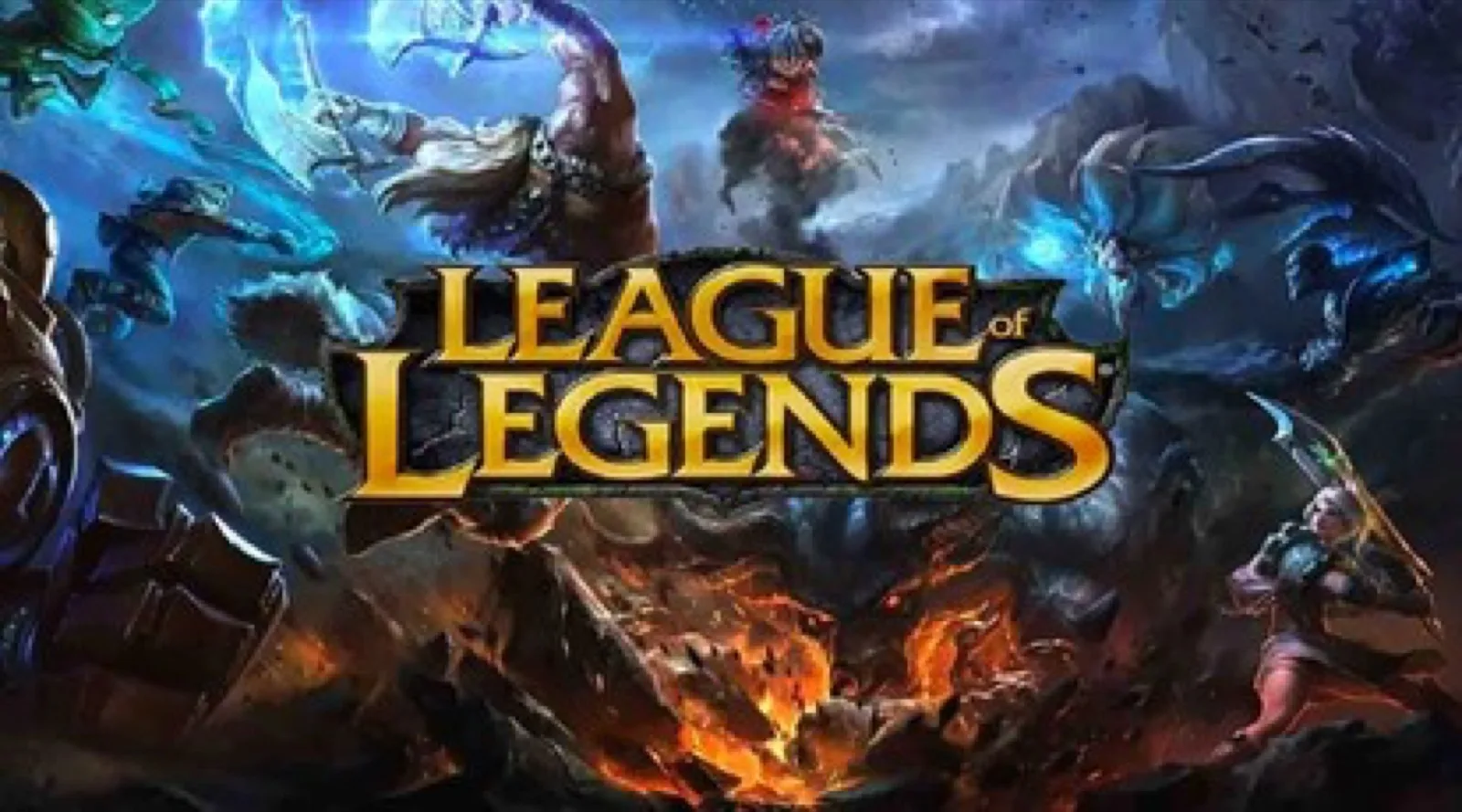
Another critical factor was Nicolo’s vision to create a truly global company. He firmly believed in the empowered model of hiring talented local professionals, giving them clear guidelines, and empowering them to make and own their decisions. Nicolo made promises that he kept.
While I was having discussions with Riot, my father was diagnosed with cancer. I went back and forth between Singapore and Korea to support my parents, and I wanted to be closer to them.
My wife was initially hesitant about Riot. At the time, I was a leader at the most successful video game company, and my wife and I were blessed with our first child that we had been waiting a long time for. It was a period in which we reached stability in our lives, and significant changes were a risk. There was no guarantee that Riot would be as successful or even come close to Blizzard. There were countless cases where foreign video game companies launched or opened offices in Korea, only to shut down shortly afterward. This was not out of the question for Riot. Korea was considered the “cemetery of foreign video games” at the time. The market was dominated by top Korean game companies such as NCSoft, Nexon, Neowiz, and NHN. As a result, almost all foreign games shut down. The only foreign company to survive was Blizzard.
My wife was worried that Riot could end up like the other foreign companies and that I could lose my job when we had a newborn enter our family. But at that most critical juncture, my wife put aside her worries and said, “I trust you and your decision. We are going to make bold decisions that we are proud of.” With those words, I said “Yes!” to Riot.
A year and four months after our stay in Singapore, my family moved back to Seoul in May 2011. It was challenging the make the over-the-ocean move so soon once again, especially with a baby who was only a few months old. But on June 13, 2011, I started at Riot Games. It was the day after my birthday. “I am going to give it my all as if I had a new life,” I promised myself as I entered the Riot office.
I Can’t Forget the First Riot Seoul Office.
When I first started, there were already three Rioters in the Seoul Office. The office was in a dark back alley. It was quite different from the offices that I worked in in the past.
I still vividly remember my first impression. The building was small, worn out, and old. Unlike what I commonly experienced in my previous jobs, this one didn’t have any lobby, security kiosks, and an information desk. Instead, there was just a tiny space for a security guard and a small elevator that tightly fit four people. The Riot office was on the second floor, so I took the stairs, but the stairs were so tight that I had to twist my body against the wall if someone was coming down.
When I opened the door, I could smell the old musky scent from the air conditioner. The office was disorganized, slightly dirty with coffee stains and pen marks on the tables and chairs, and a world apart from the experience that I enjoyed at my previous job. I had to ask myself, “Did I come to the right place?”. When I asked my colleagues why we decided to rent this space rather than a WeWork-type space, they explained it was an easy way to save money. They informed me that the previous company that utilized the space left the desks and chairs when they moved, which was a big plus.
Although I was taken aback by the Riot office, the reasons resonated with me. We were a start-up, and the humble, hungry mindset was necessary. I strongly felt that the approach of starting low without being flashy and moving up with progress was the right one. If it were my money, that is precisely how I’d use it.
However, the office made recruiting difficult. At first, we invited the applicants to our office. Even though they tried, they could not hide their surprise when they entered. The conversion rate was low. It was understandable that top candidates who worked at premium offices with top-tier benefits did not want to downgrade.
After learning from our failures, we changed our strategy by meeting at a Starbucks close to the office. We bought them blue muffins, espresso drinks, and even sparkling water. As a result, applicants seemed more at ease, and the conversion rate increased. I was just relieved that the candidates were not running away. Also, I was thankful to my colleagues who interviewed at the office and accepted the offer. When we built rapport and trust as colleagues, I’d joke, “I guess you were desperate for a job, huh?” with a grin on my face.
Fast forward several years, Riot Games Seoul Office is at a brand-new building that is considered one of the best office buildings in the country today. The interior looks something out of a magazine overlooking the Han River. The benefits and features of the office are at least at par with companies in Silicon Valley with a barista and even a soundproof music listening room with speakers that BTS would use. We used to tell each other, “We will one day move to a much better place from this old building.” That came to reality. I am grateful. Progress is more precious because we had a humble beginning. We cannot forget those days … days when we were hungry and humble.
Whenever I went on a business trip to Seoul, I’d always take a walk to the old building. I’d eat at the ox bone soup (Seol lung tang) restaurant across the building and reminisce about the good old days. I vividly remember Rioters entering the building. I feel fortunate that those old memories give me a feeling of warmth and put a big smile on my face.
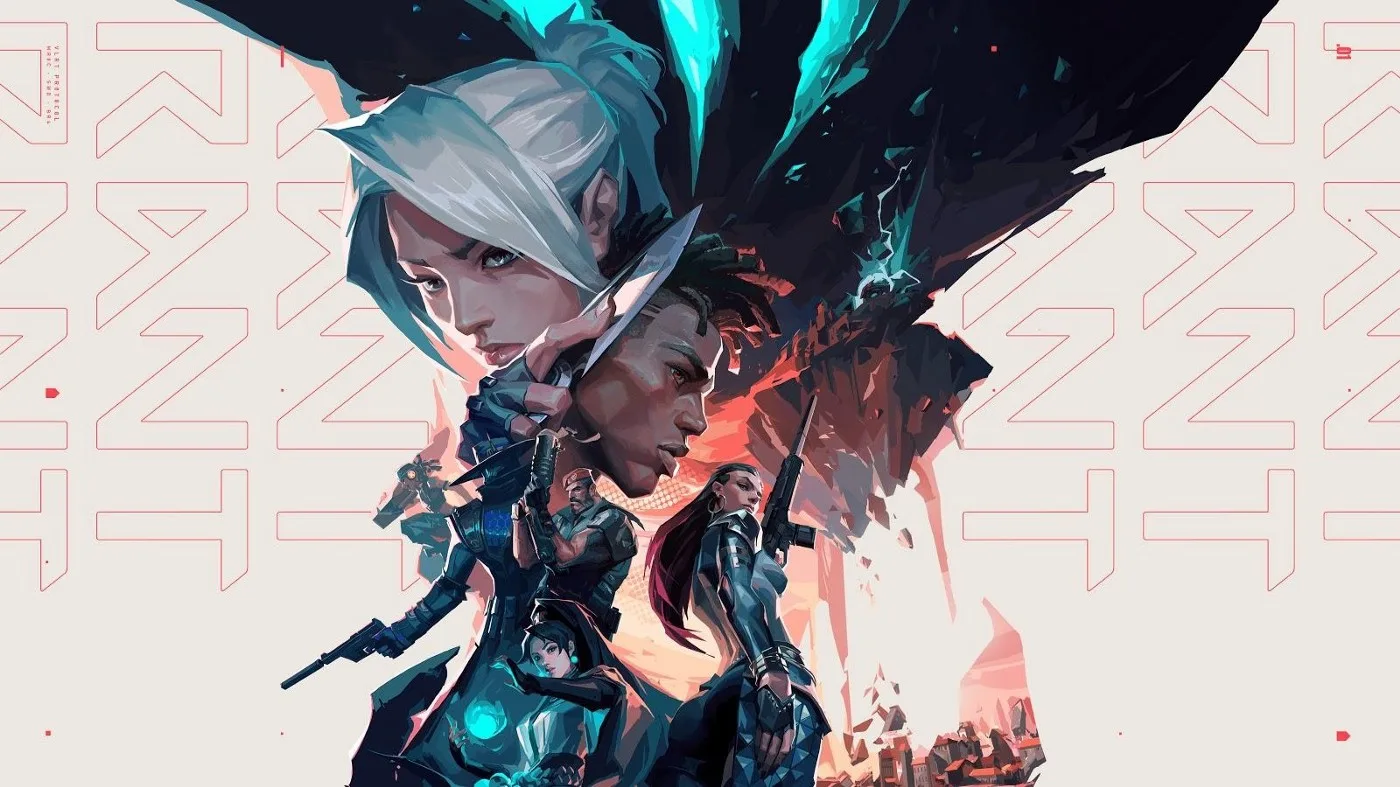
Riot Games is proud to be a global company, but we never want to lose sight of all the differences that the globe contains. While we’ve invested heavily in our regional offices around the world, we know that the very idea of a “region” can paper over cultural, linguistic, and historical differences within it. Those offices work very hard to pay attention to all of their players, meeting as many of them as possible where and how they live. Just as Riot as a whole sees the globe as a diverse set of regions, each office sees its area as a diverse set of players. That’s how we’re able to hyper-focus on them so well.
As an example, in the region we call MENA (Middle East/North Africa), Arabic is a common language, but local dialects vary greatly. It is one of the most storied places in the world, with histories dating back to the beginning of civilization. Riot has a dedicated office there, located in Dubai, and that team knows better than anyone that servicing such a diverse player base requires a diversified approach.
So the Riot MENA office thinks about the region, not as a monolithic block but one with distinct subregions and various dialects. Of course, even these distinctions can’t cover all the local nuances of this amazing part of the world. But by embracing this diversity as much as they do, the Riot MENA team can weave together experiences that draw inspiration from many sources within the region.
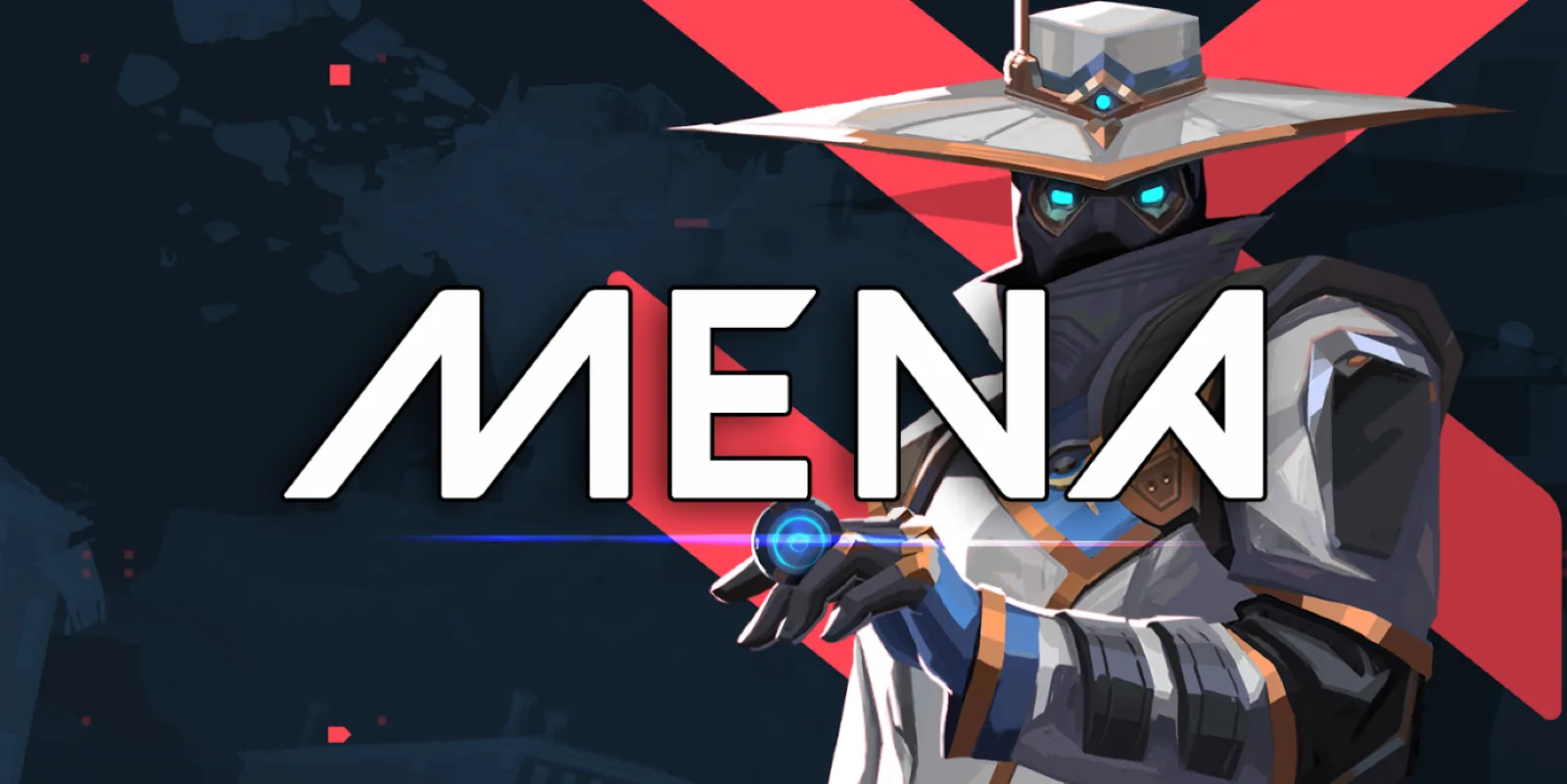
For instance, when the team put together a music video for VALORANT as part of Eid, the final day of Ramadan celebrations, they made sure it included multiple languages and featured local mainstream artists from each of three major subregions:
- Issam Harris, a beloved trap artist from North Africa, a subregion with significant cultural influences from nearby Europe
- Marwan Moussa, a driving force in the changing landscape of rap in the Levant, which includes Egypt and the Eastern Mediterranean, the most populous part of the region
- FAFA, an up-and-coming Emirati-Hondurian singer and songwriter from out of the Gulf countries, considered the “melting pot” of MENA and a hub for business, innovation, and technology
Riot has produced a lot of music videos, but they tend to encapsulate a single style. By pulling in different artists from different areas, even from within the same business region, we can express the breadth of their cultures to the widest possible number of players at the most localized level. That’s hyper-focus.
There are a lot of places where players expect to see Riot Games, like esports arenas or streaming platforms. And while we love to meet them there, we also try to meet them where they are already spending their time. In other words, we want to connect with players even when they’re not playing or watching video games.
As an example, soccer is enormously popular in Latin America (LATAM). So when Riot’s new game VALORANT — a shooter with huge esports potential — released in 2020, the Riot LATAM team wanted to see if they could find a way to blend the passion for one sport with an emerging new one.
During the discovery phase, the team reached out to Chivas, the second largest soccer club in Mexico. Chivas has an enormous following that has built up over its 115 year history; its red-and-white striped jersey is a common sight on the streets of Latin and even North America. In these conversations, Riot LATAM was pleased to learn that Chivas was also looking to expand their audience — into esports! A collaboration was instantly on the table, and the new partnership quickly moved forward with a joint project.
That joint project became a five-part video series chronicling the creation of a VALORANT esports team wearing those famous white-and-red stripes. Throughout the series, a large list of prospects were whittled down to a core team of newly minted pros. It’s a series about dreams; it’s a series about struggles and triumphs; it’s a series, in other words, about the very heart of sport, which both Chivas and VALORANT understand perfectly.
The series first aired on Chivas TV, the club’s broadcast and digital channel, which normally only runs soccer content, and it later went to their social and YouTube channels as well. Across all mediums, the series ended up garnering 23M views. We couldn’t have been happier with how this partnership turned out, a testament to the Riot LATAM team’s ability to put players first. By being a part of the local community, they found a way to meet players where they were already spending their time.
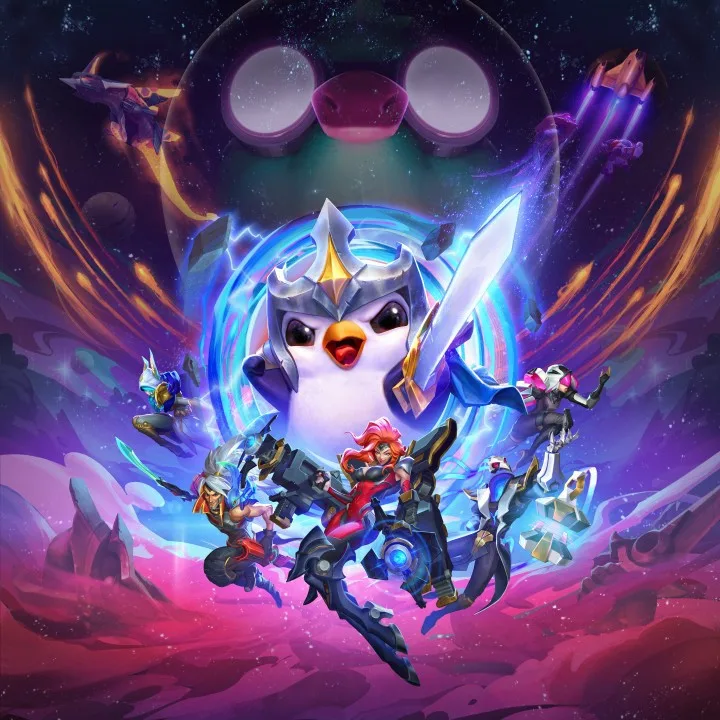
We have made a lot of music videos at Riot Games; players joke that we’re really a music company that occasionally makes games. And while we’re always proud of how they come out, sometimes, these things take on a life of their own.
For the launch of the third set of new characters, gameplay mechanics, and content for our strategy game Teamfight Tactics (TFT), Riot’s team in Korea decided to reach out to Mushvenom, a rapper climbing up the charts after appearing in the country’s biggest hip-hop competition show. One of the key musical hooks in the song he made for us is the nonsense expression dududunga (ㄷㄷㄷㅈ) — really, just a fun sound, not a word.
It turned out to be a lot more fun than we ever expected because it lit the community on fire. The phrase spread across Korea, becoming a kind of signature of their passion for TFT. Here are a few examples:
- The TikTok community went wild with it, including this gem.
- One player took the video and cut a 10-hour long loop of it; the YouTube video managed to rack up over 230,000 views.
- And for those moments when you just need a dududunga, the internet provided a push-button solution.
Best of all, when the song played during a major esports event in Korea, the phrase became a rallying cry — across teams. No matter who a fan might be rooting for, they were shouting this phrase in chat. Fierce rivals were actually doing something together; the joke became that Mushvenom ought to get a Nobel Peace Prize!
Riot Games strives for cultural relevance, not merely recognition.
Watching a song become a meme become a sensation has been a fantastic validation for us that we’re on the right track. And this is not a one-off endeavor for us; the Korea team makes sure that each campaign reflects each game’s unique elements to continuously communicate and engage with players (like their new collaborations with Mushvenom). The secret is in our local teams, who know their communities inside and out. It also takes a little bit of magic and, if I may say so, a little bit of dududunga.
Players might be drawn to a game for its tight mechanics, its precise gameplay balance, or its gorgeous world design. We at Riot Games find that players resonate most deeply with expressive characters. Riot’s titles feature rosters of unique heroes, each with their own story, personality, and visual style. And we are constantly adding new ones, not only to provide fresh content, but to represent as many diverse cultures, viewpoints, and even human flaws as possible.
While the dev teams create these characters, it’s the role of publishing to celebrate their introductions in a way that syncs with local culture. I wrote about one such example with the launch of the VALORANT character Yoru in Japan. But sometimes, we really feel like there’s a potential to go all out, creating something that’s above and beyond even our own standards.
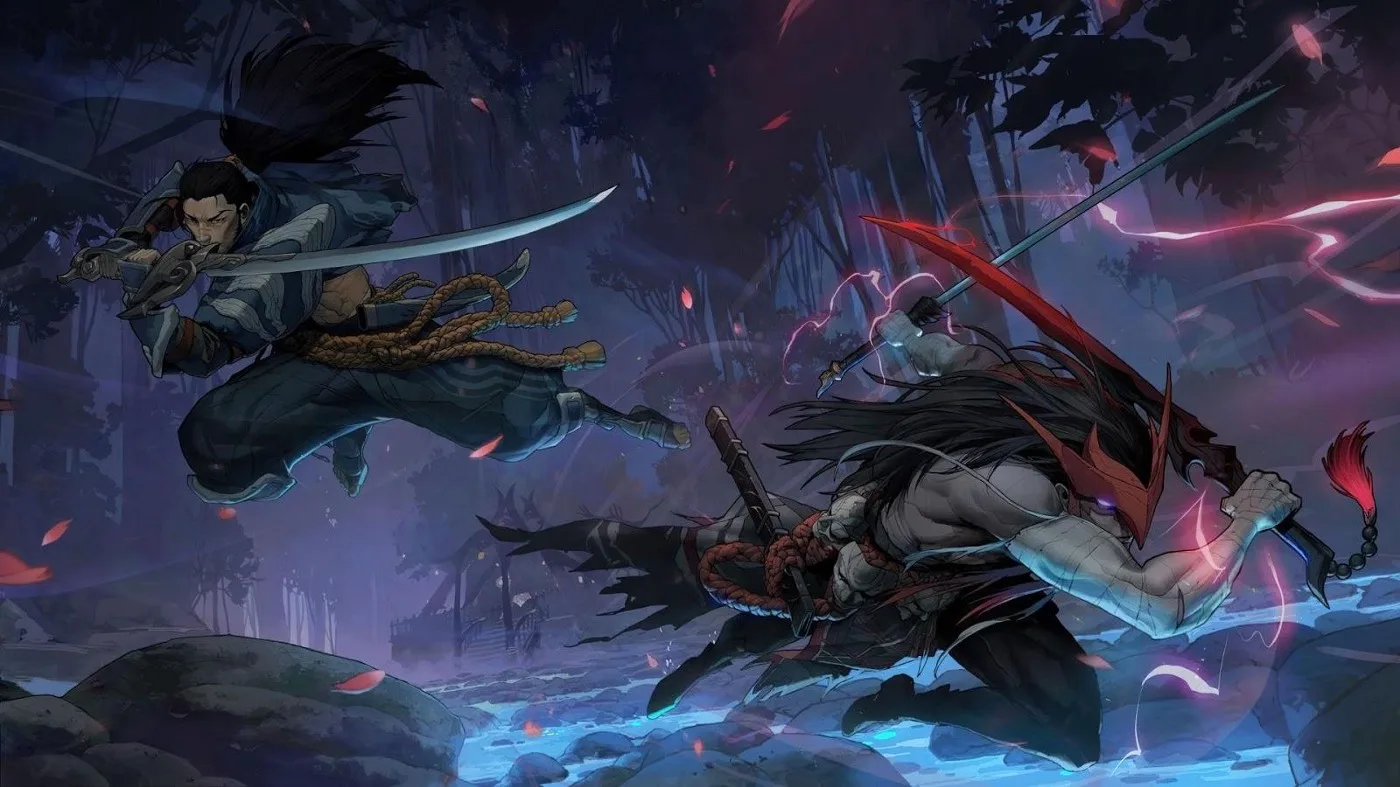
For the release of the League of Legends champion Yone in 2020, Riot’s team in China realized we had such a chance. At that moment, the team recognized two key opportunities in the local market. First, the passion that Chinese players had for League characters was so strong that we could lean heavily into a narrative beat, way beyond a simple trailer. Second, the Chinese film and TV market had matured to the point that Riot could find a partner to create a sophisticated project with emotional depth and top-quality visuals.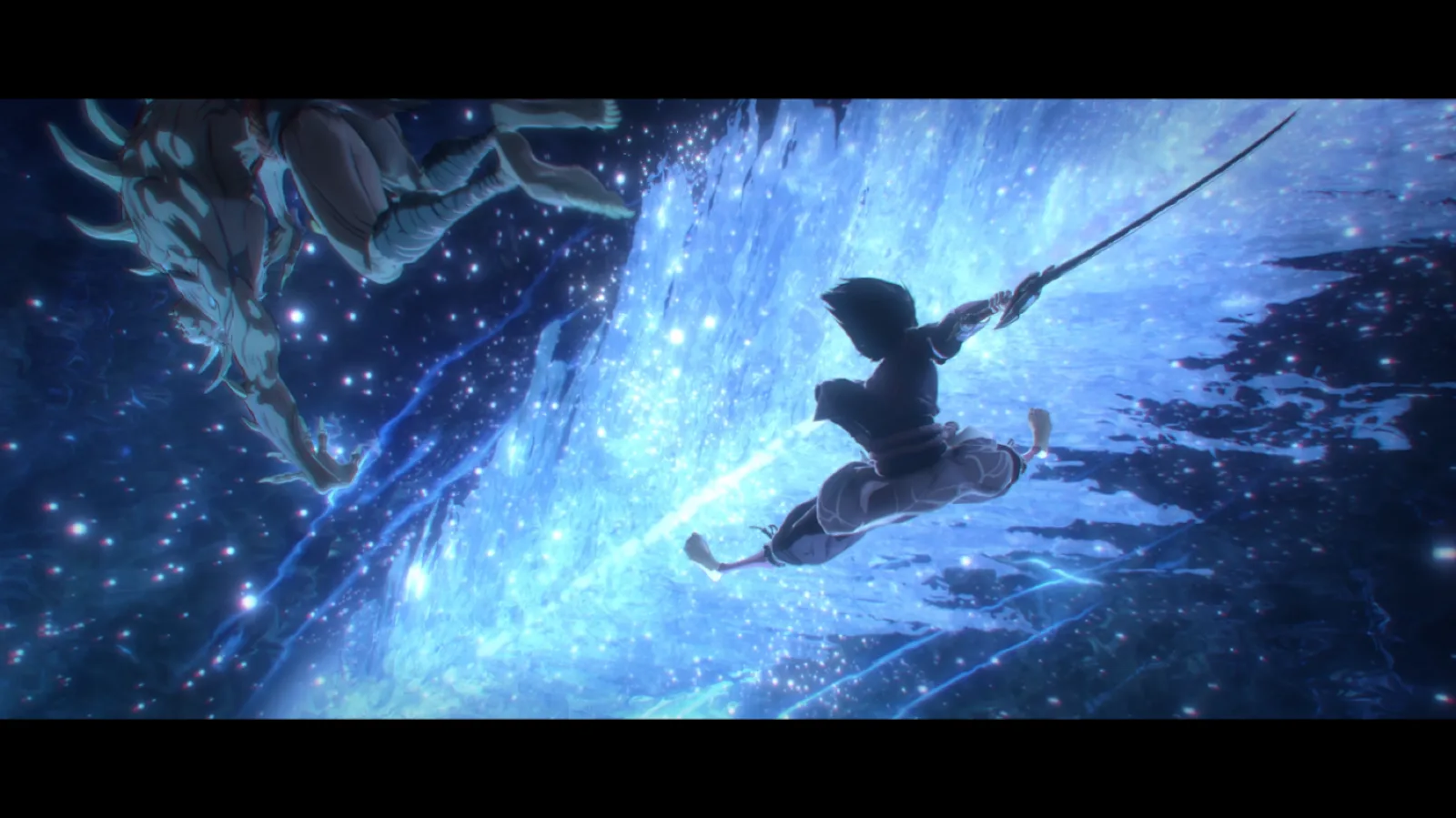
Kin of the Stained Blade.
The team, in collaboration with Riot’s central IP, Creative and Publishing teams in Los Angeles, decided to take the plunge and produce a 10-minute long animated film, showcasing Yone and his brother Yasuo. Working alongside teams at Riot’s LA headquarters as well as long-time Chinese animation partner Haoliners Studio, they made Kin of the Stained Blade.
The piece reflects local Chinese sensibilities in both its art and its storyline. Most Chinese players are deeply familiar with anime, and those focusing on swordsmen are particularly popular. The film also centers on themes of family, brotherhood, and faith, which are highly valued in local culture.
I am so proud of the team for pulling off a film of this length and complexity, and I’m happy to see that players — both in China and around the world — responded with tremendous enthusiasm. The film was viewed over 32 million times in just seven days, and in China, it has become one of Riot’s most-viewed pieces of League of Legends content. These players have taught us that there’s a massive untapped potential for storytelling outside of our games, and we are so excited to see where that takes us down the road.
Kin of the Stained Blade is a fantastic first step, but it’s only a beginning.
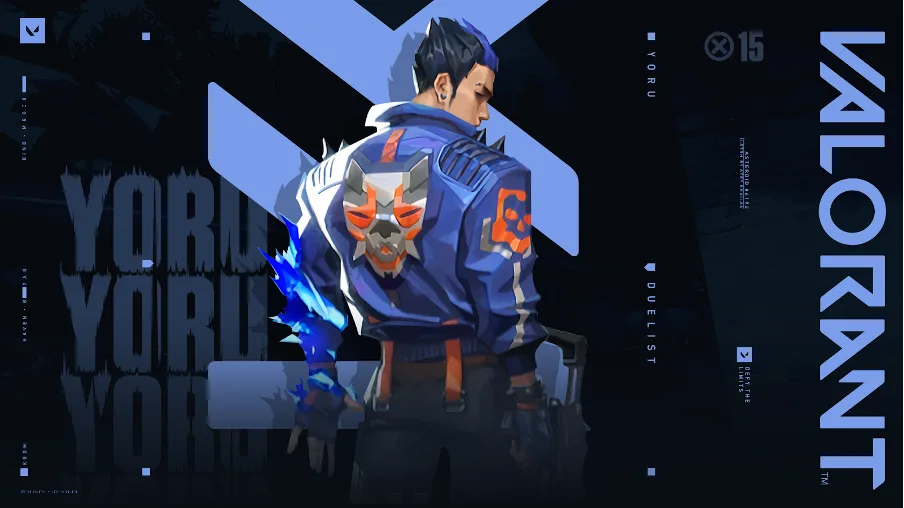
Going global does not simply mean releasing your games everywhere; it means connecting to your audience around the world organically. The latest in this series from Riot’s President of Worldwide Publishing discusses how the creator of Valorant and League of Legends has been able to do just that.
However, it’s sometimes difficult for a company to do that everywhere. For instance, Japan has a long and passionate gaming tradition that’s very distinct from other countries. The way we operate at Riot Games is by embracing local culture, weaving it together with our work to create a piece that’s both mainstream and traditional.
A recent example from Japan is our music video celebrating the launch of the Japanese character Yoru from Riot’s tactical shooter, VALORANT. To do that, Riot’s Japan team, based in Tokyo, reached out to three very different artists, each of whom embodies a different corner of modern pop culture.
We linked up with AK-69, a rapper who won the “Best Hip-Hop Artist” category at the MTV Video Music Awards Japan in 2015 and 2016, to write and perform the song. Our team paired him up with HANABI, a DJ group that blends traditional folk elements into their modern sound, such as in their work for huge IPs such as AKIRA and Studio Ghibli. For the visuals, the team brought in Masayuki Koujo, who creates heroic art in a calligraphy style called “Sumi-e” for franchises like Star Wars and Marvel.
Combining all their talents, Riot’s Japan team produced a music video. I am immensely proud of what they achieved; I think this isn’t just great as a “game ad,” it’s just a great piece of art, period.
Going local like this pays huge dividends. In this case, the video got coverage in major Japanese music and entertainment media, not simply gaming media. More importantly, it struck a chord with players, which is always Riot’s first priority. Even if it makes them think we’re actually a music company.

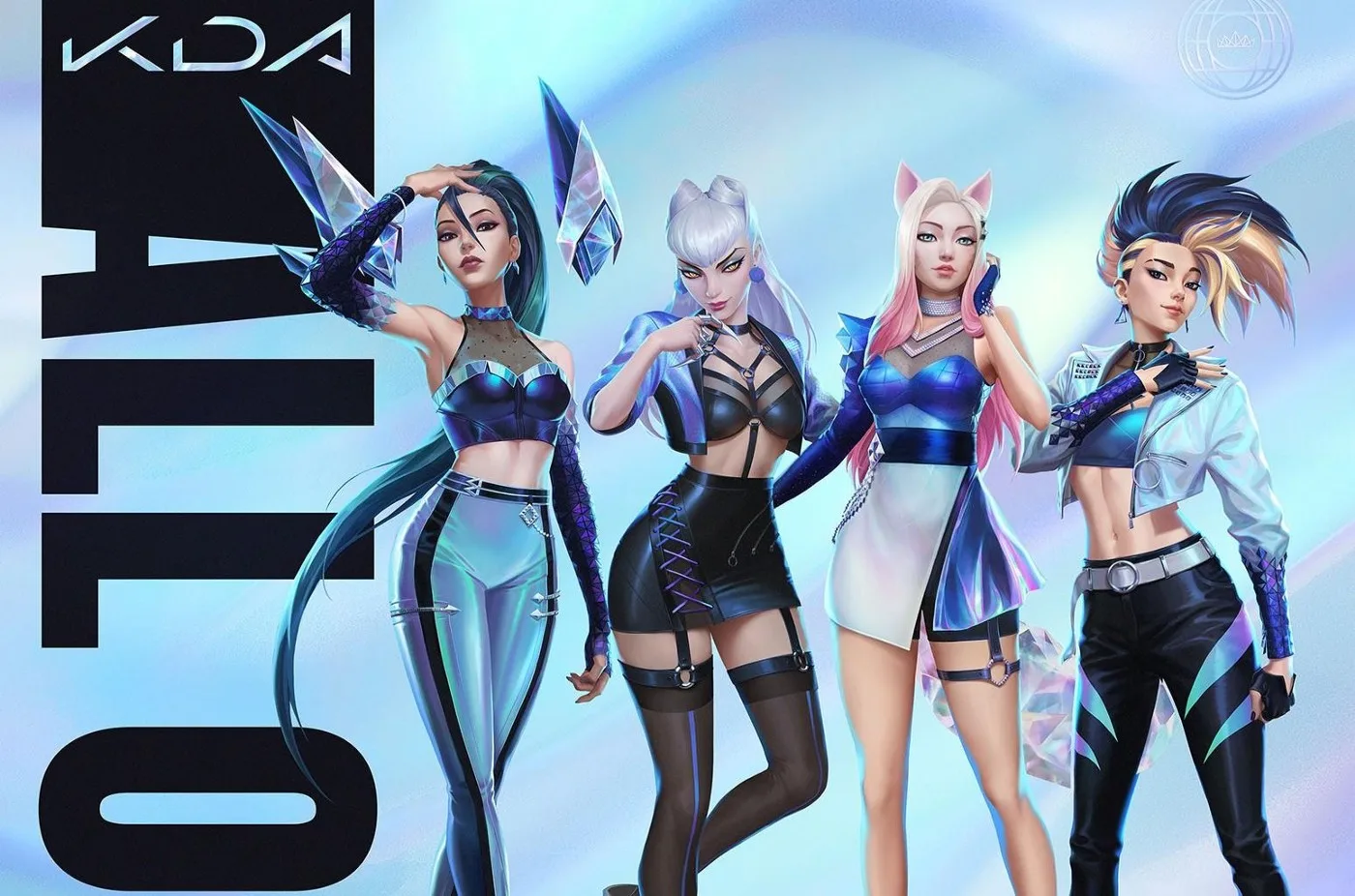
It shouldn’t come as a surprise that a company called Riot Games makes games. What may surprise you is that we make so much more than just games. In fact, we’ve produced so many albums that some players have joked that we’ve become a music studio. At Riot Games we make not only music, but have the fictional characters we’ve created perform it.
For Riot Games, we see this as a way to extend our reach into other areas of players’ pop-cultural lives. Players don’t just play games, they listen to music, care about fashion, and watch animation, for example. We have done work in these spaces, and we’re always looking to do more, pushing both conventional boundaries and ourselves. The aspiration is to become more than a video game company, it’s to become a culture and a lifestyle.
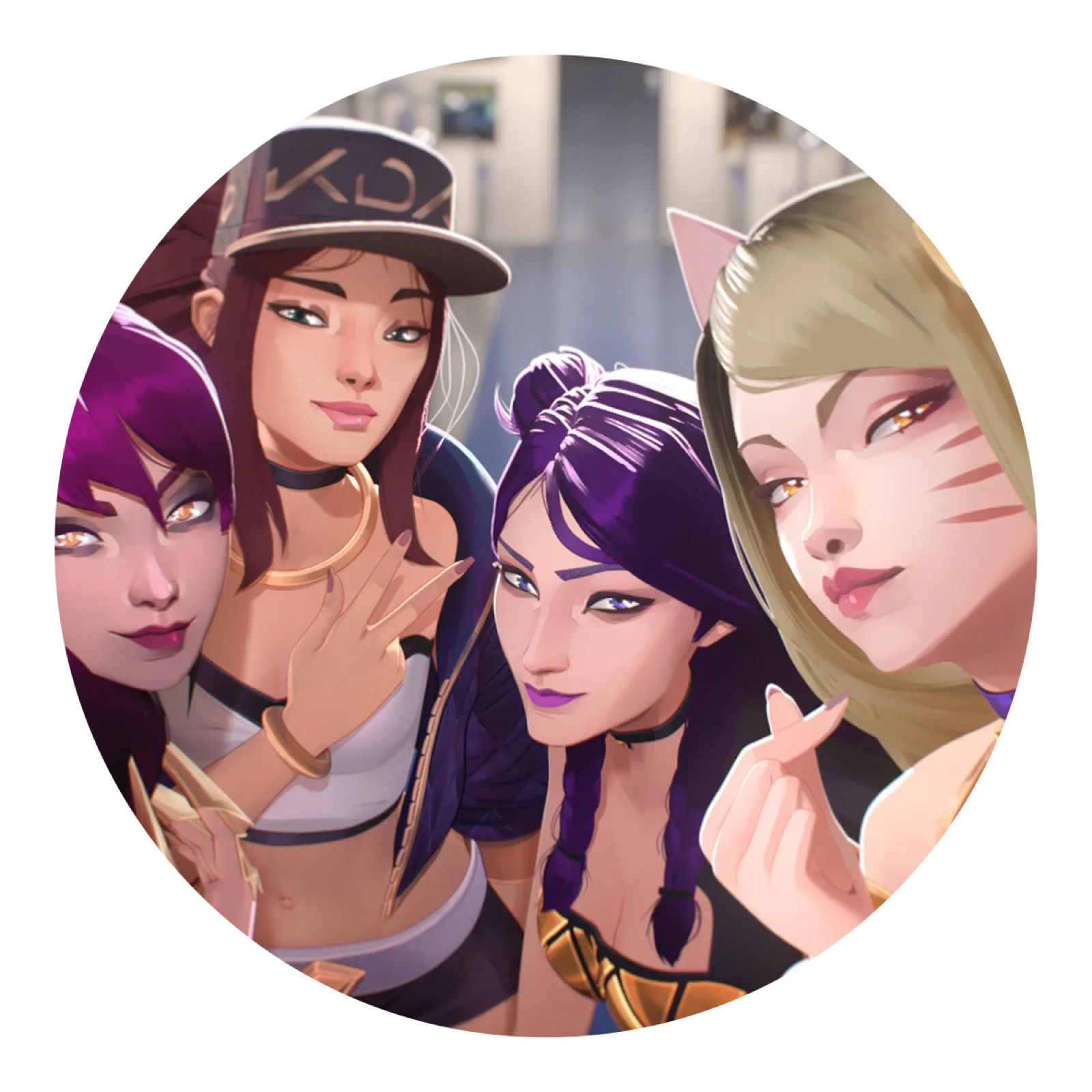
It’s one thing to say we are that kind of brand, and another to go out and live it. Our team in Southeast Asia (SEA) scored a huge win for us last year when our most popular fictional band, K/DA, landed on the cover of ELLE Singapore, a major lifestyle magazine in the region. The placement put our characters right on the same level as the biggest pop stars in the world.
This only happened because we were willing to step outside of our comfort zone. Riot Games’ SEA team made a concerted effort to reach out to press outlets beyond the traditional gaming fold. That’s not always easy. “Games” is in our name, after all. And even if we believe that we have a reach and an appeal that goes far beyond a computer screen, the mainstream press hasn’t always caught on to that fact.
Nevertheless, for a partner media event in Singapore, the team reached out to some non-gaming outlets to demo our new mobile game, League of Legends: Wild Rift. Not only did ELLE respond to us, but it also turned out that their editor was a huge fan!
Of course, it was nice to have ELLE check out our demo. We were happy that we had drawn that much of their attention. But reaching out to them had a knock-on effect we didn’t expect. Shortly afterward, ELLE contacted us about doing a cover feature for K/DA! It was a huge validation for us that our push into culture and lifestyle was the right goal for us to pursue and that we are already quite a ways down that path. Or, to put it in pop culture diva terms: it was a way of showing that we have arrived.
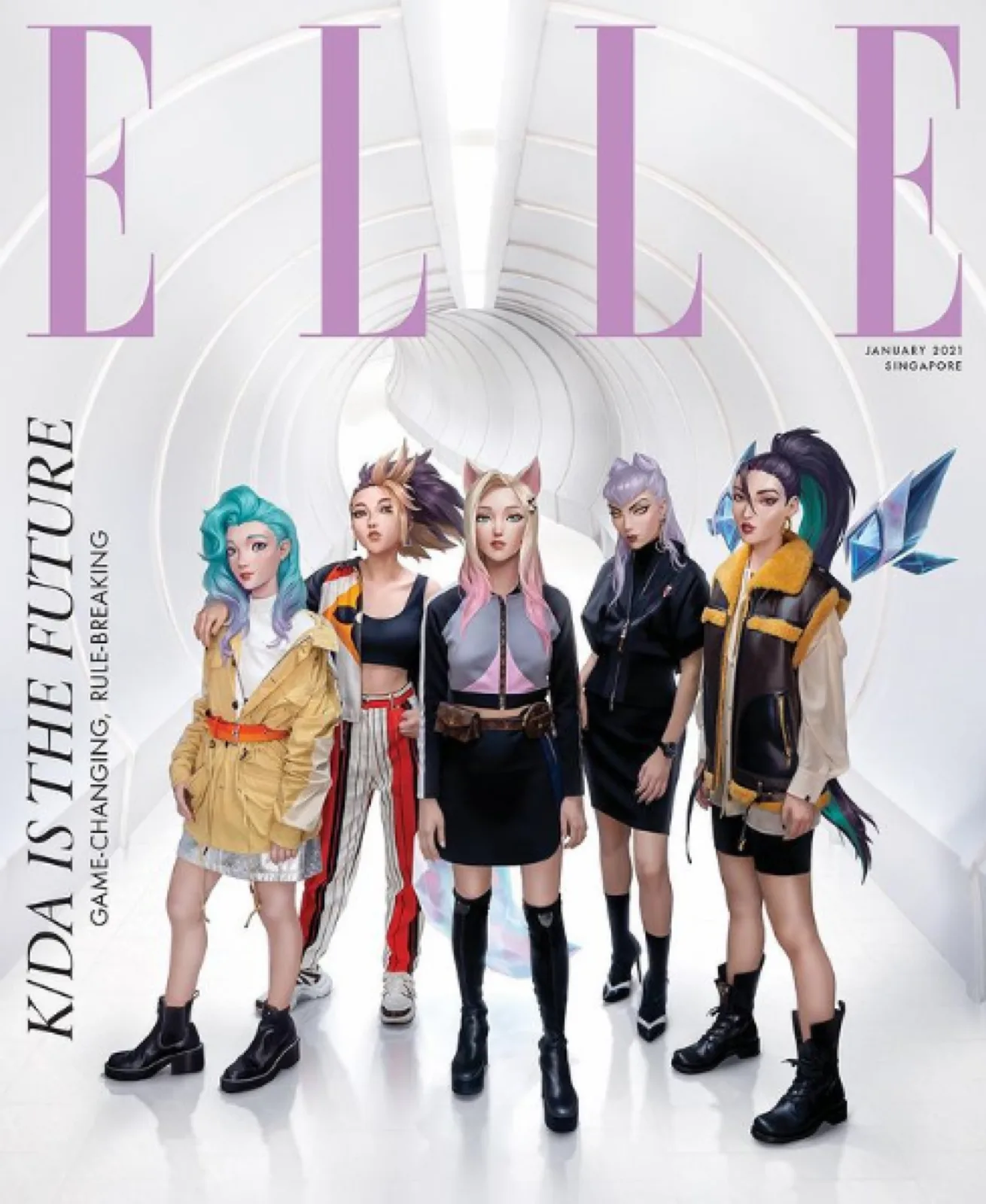
Source: ELLE
It was also important to show that K/DA had arrived too. The SEA team worked closely with ELLE to present the band as pop idol icons in their own right, even if they were fictional. This aligned with our goal of reaching players beyond traditional gaming avenues, but this approach also helped ELLE reach beyond its core audience.
As we cross gaming over into other areas, we’ve learned that we can help the existing brands of that field cross into ours. So promoting K/DA, it turns out, is not a lonely exercise. It creates partnerships and relationships that help all parties, such as different singers coming together to form a band. The power of a lifestyle brand is uniting diverse audiences with varied cultures and interests.
Like us here at Riot Games, it turns out what players want is more — and we plan to give it to them, wherever they’re interested.
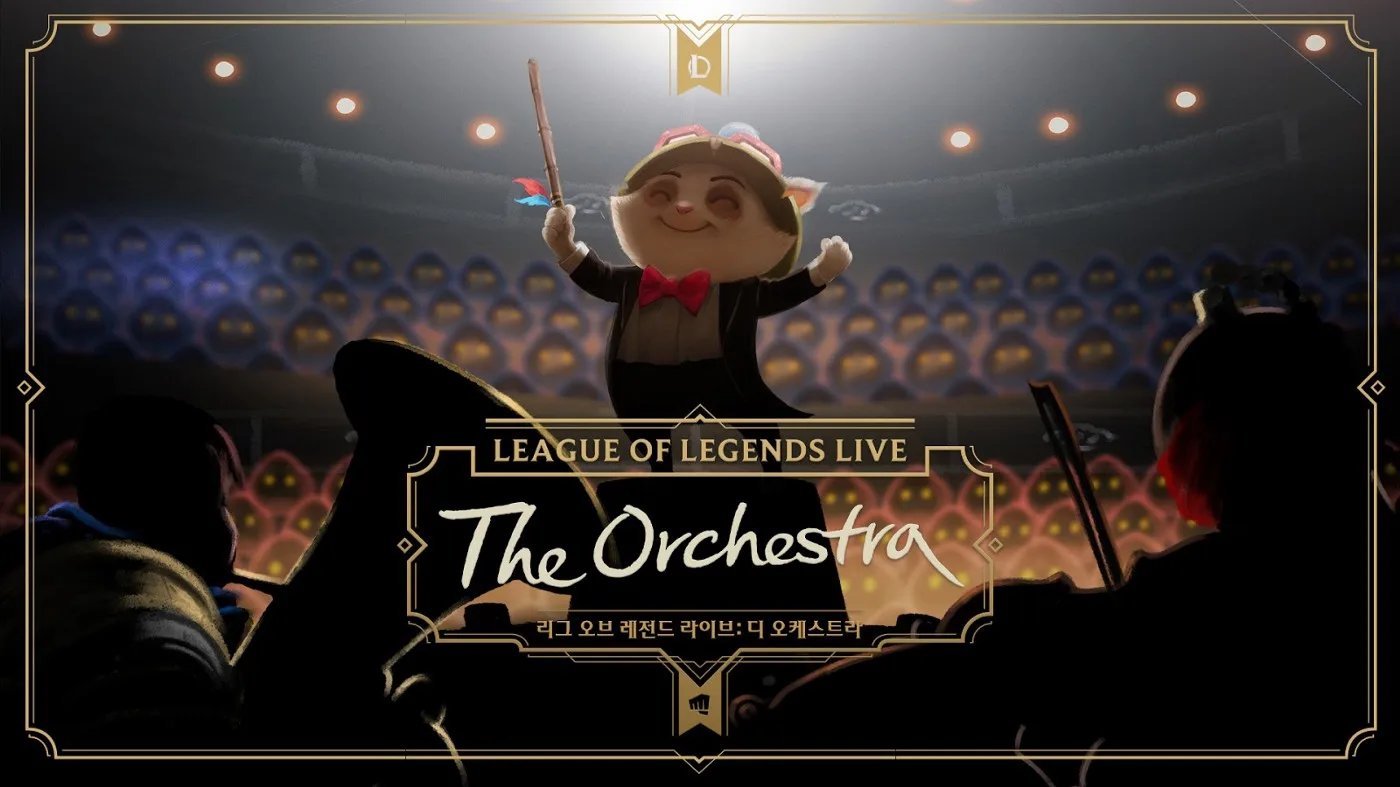
In Worldwide Publishing (WWP) at Riot, we believe that publishing advances player culture. We want gaming to be a lifestyle choice; our goals go far beyond simply getting games into the hands of players.
One of the most critical paths to achieving this requires we have a true understanding of our audience: players. Players must know, and feel, that we understand them and their cultures, no matter where they live around the globe. Riot’s locally empowered teams exist to maximize the resonance of their experiences by building relationships that are deep and enduring.
In fact, the origin of the word “resonance” comes from music. We like this word at Riot because it speaks to the transition from a mere sound into a musical note, from static into beauty. When we go to work every day, we’re not looking to make a distraction or a toy: we’re here to make art, to make space for players to perform in their own unique style and be rewarded for it. And a fundamental part of that art is the music we craft, tailored to each character with detail and passion.
One of the amazing things about music is that it can be so transformed by its context. When you hear it in the game, it means one thing. When you’re humming the same theme by yourself, it takes on a different meaning, a different weight. And if you put that same theme in one of the world’s great concert halls, performed by one of its great orchestras, it gains a majesty and a power you can find nowhere else. We know our music has the potential to thrive in that kind of space. So we made a choice to bring that potential to life by creating an event entirely dedicated to our music, called League of Legends: The Orchestra.
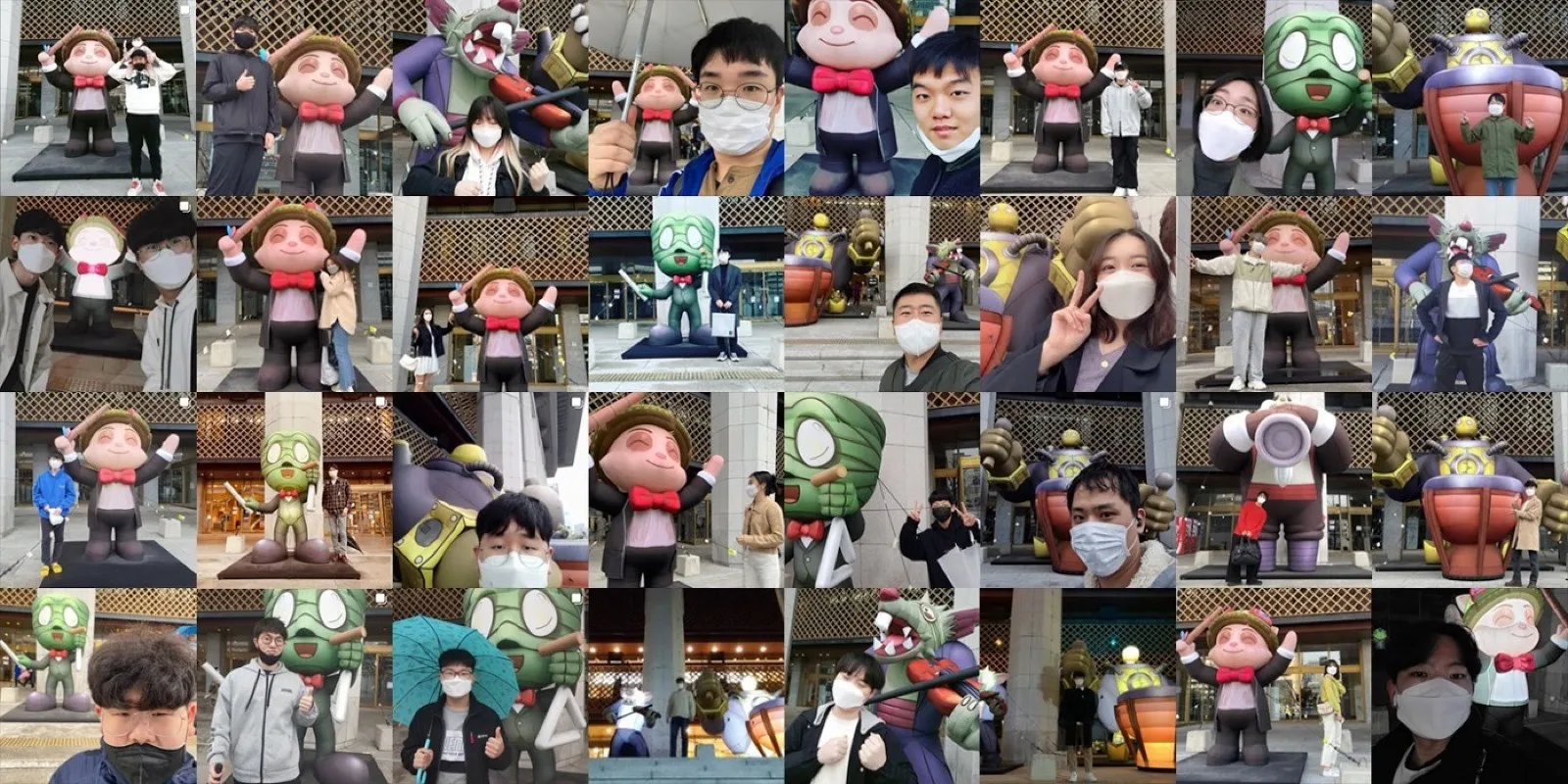
The KBS Symphony Orchestra, which is the leading symphony orchestra in Korea, will bring theme music from the game to life on stage along with the Seoul Metropolitan Youth Traditional Music Orchestra. All of this will take place at the most prestigious stage in the country, the Sejong Center in Seoul, considered by many to be the Carnegie Hall of Korea. This will mark the very first time that the Sejong Center will present a show with music from a video game. That’s what we mean when we say we want to advance player culture: we want to normalize our art in traditional spaces, to show that what we make is every bit as worthy as the classics are.
As a Korean citizen, I am incredibly proud to see our games come to life in such an impactful and creative way. Riot’s support of our country’s cultural community feels both humbling and full-circle for me, having helped to establish Riot’s Korean presence in 2011. This celebration of LoL’s music serves as a reminder of just how powerful our local teams are: their dedication to building local relationships allows player culture to flourish far beyond our games.
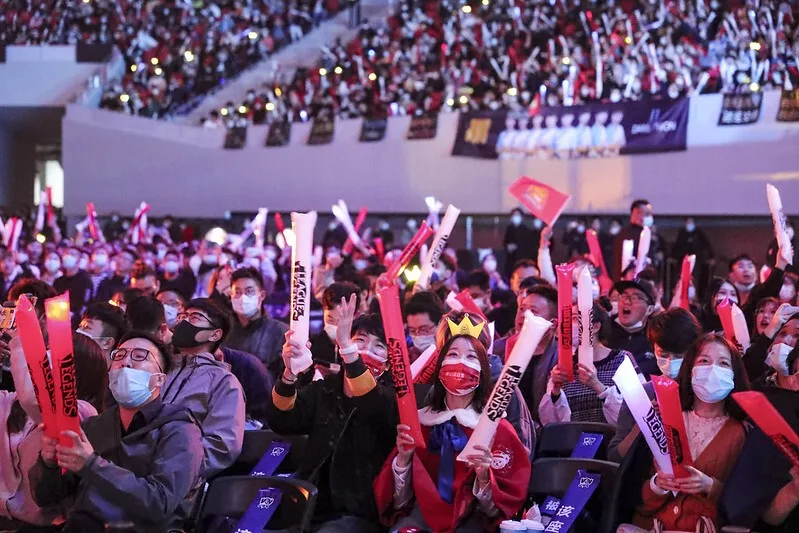
It’s hard to think of something that the spread of COVID-19 didn’t upend. Gathering in any sort of crowd was severely restricted; so many of the cultural events that we all love were canceled. And yet, in September and October of 2020, Riot Games held the League of Legends World Championship (“Worlds”) in Shanghai, China, in front of a live audience. Worlds 2020 set new records in viewership, including a 23 million Average Minute Audience (AMA), our main measurement of success. Most importantly, no new COVID cases were traced back to the event.
This was only possible with contributions from many teams at Riot: Global Esports, our China teams, Legal, People, Finance, Information Security, Travel, the LoL development team, and many of our publishing groups. I’m still amazed that this collective Worlds team managed to do it. What gave them the confidence to try, and then to triumph, was their commitment to three core pillars: Riot’s player-focused values, collaborating as one team, and excellence in both tech and operations.
The Original Plan
Coming into 2020, the Worlds team planned to execute an ambitious, multi-city tour of China for the tournament. Every year, they aim to go bigger and bolder than ever before to produce not just an event, but a cultural moment that will make fans proud.
But when COVID hit, it presented a host of challenges. The disease first spread in China itself; and once it went global, travel and logistics became very complex. Regulations started changing fast, lockdowns were implemented, and safety protocols were being established. In such conditions, how could Worlds be produced in a way that was both safe and still high quality? If international sporting events like the Olympics and Wimbledon were getting canceled, would Riot’s Worlds suffer the same fate?
Driven by Values
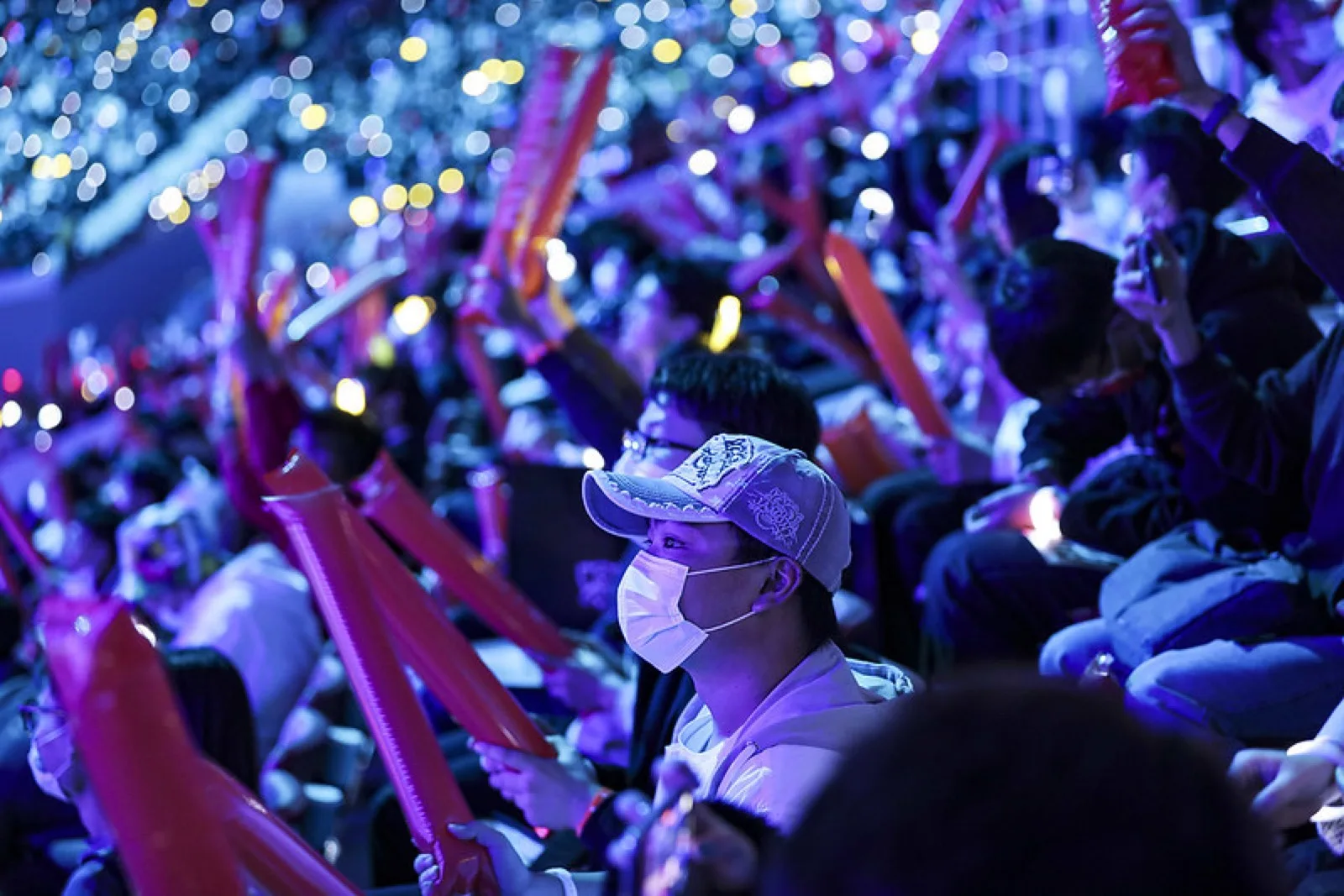
The pandemic required the team to reassess the plans for Worlds. Riot is a company deeply rooted in our values, and since nothing is more important to us than players and fans, we started there. As important as Worlds is to our business, Riot would simply never go forward with a show that was not safe, either for them or for Riot Games employees, crew, and pro players. And yet, promises were made to fans about what Worlds would be in 2020: bigger, bolder, and better than anything Riot had ever done before. Worlds 2020 was, after all, the 10th anniversary of the pinnacle event for League of Legends Esports.
The Worlds team cycled through a number of possible scenarios. Should the event be moved to another country? Should it take place with teams virtually competing from different locations? Should it be canceled altogether? There were good reasons to consider each of these. But in the end, the Worlds team rallied and found a path to deliver on the promises made to our fans.
Global Collaboration
The path to delivering Worlds was complicated. There was an ocean between the Global Esports team in Los Angeles and the China teams; travel would have to be kept to a minimum. Plus, back during Worlds 2017 (which was also in China), these same teams had run into a few challenges working together.
In 2020, there was a stronger spirit for collaboration, something that Riot has been prioritizing across all our teams over the last few years and a key focus for me personally as a leader. For all intents and purposes, the many teams planning and executing Worlds were one team, working together in the face of a pandemic.
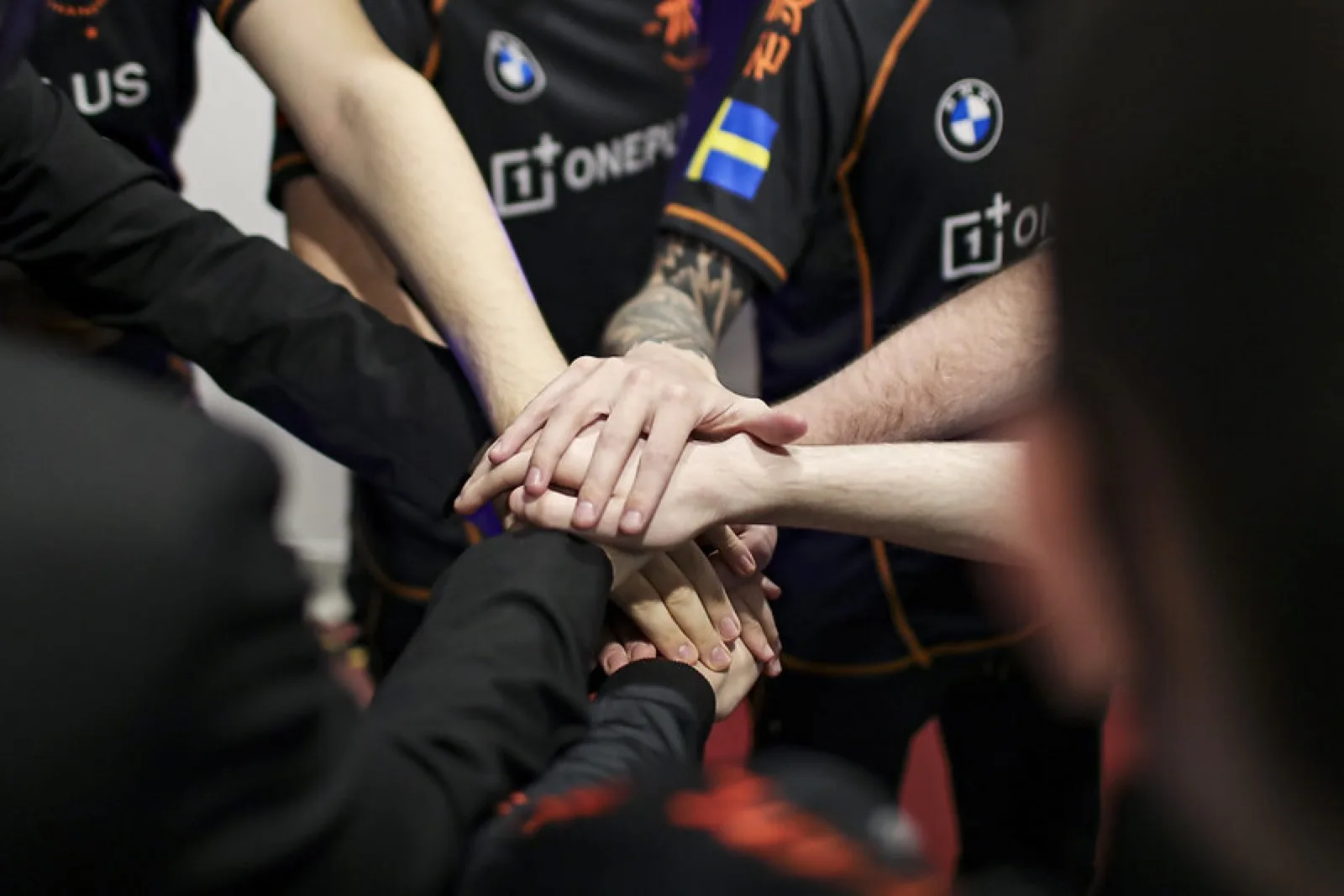
Only by embracing a one-team mentality and collaborating deeply could all obstacles be overcome. As hard as it was, the team conceded that a multi-city tour would not be possible and that Worlds would have to be focused exclusively in Shanghai, the city originally intended for the Finals. Navigating dynamic safety regulations, the team figured out a way to go audienceless for the majority of Worlds, although the plan allowed for the possibility of a small live audience for Finals. These adjustments dramatically increased the probability of operating a safe event and gave the leadership team and me the confidence to give the new plan a thumbs-up.
Now the team had to figure out how to get professional players to Shanghai, run a safe competition for all involved, and produce the Worlds broadcast. We owed it to the fans.
Operational and Technical Expertise
Even with strong collaboration, each team had specific strengths to bring to the table. In Los Angeles, the Global Esports team had the creative vision, established the competitive format and schedule, managed production, and coordinated with vendors and partners. Changing to a one-city event with no audience did not change their commitment to bringing fans a show that combined top-tier competition, bleeding-edge technology, and uncompromising quality.
Global Esports embraced “XR” technology, a recent innovation used in shows such as The Mandalorian, to combine augmented, virtual, and mixed reality and create physically impossible sets for the broadcast in real-time. And then we pushed that technology even further, inventing multi-camera solutions in real-time. You can check out the video below to see how this blended live performances and virtual wizardry in real-time to create something no one’s ever seen before. I’m still amazed by it.
The only way the event could actually happen, however, was with the China teams’ operational leadership on the ground in Shanghai. Where they had fulfilled more of a support role for Worlds 2017, this time around, they managed and led the relationships with the local authorities and handled logistics with local vendors. Since the Los Angeles-based Global Esports team couldn’t travel to China easily, the China teams negotiated hundreds of travel visas, accommodations for pro teams, ensured the Finals venue was ready, and sourced and managed Chinese vendors on the ground working the show.
In terms of safety, the Global Esports team took an analytical approach to COVID risk management and contingency planning by partnering with a full roster of expert international agencies, keeping up with changes in travel restrictions, policies, and protocols. In turn, the China teams synthesized all this information with the requirements of the Shanghai government. Together, the combined team translated it into a massive logistical plan, involving thousands of COVID tests, temperature checks, and other mitigation steps.
Results: Quality, Uncompromised
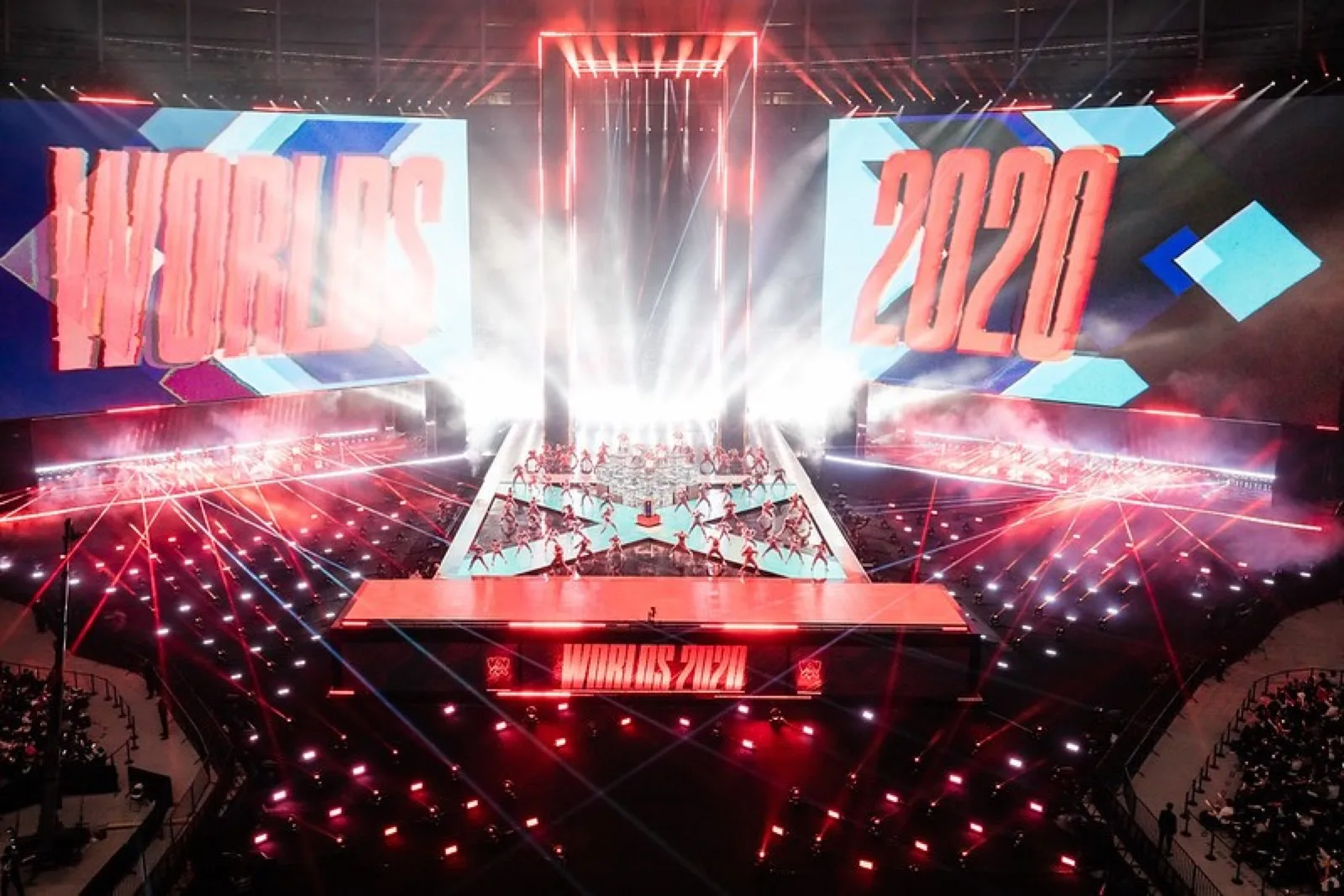
Despite all odds, Worlds ran as scheduled, featuring nearly every league from around the world (except for Vietnam, which sadly didn’t compete due to travel restrictions). The matches were incredible, some of the best ever played, I think. The broadcasts went off without a hitch, the XR sets and live performances made for a better viewing experience than anything Riot had ever done before, and new viewership records were set. Six thousand-plus fans were also able to attend Worlds Finals, drawn from a pool of 3.2 million who registered for tickets. And best of all, even after many weeks of players and crew working in close proximity, the health and safety plans resulted in no new COVID cases being traced back to the event.
Even just a few years ago, Riot probably could not have executed Worlds in a pandemic, let alone still push boundaries and break records. But a continued focus on a globally aligned set of player-first values, on collaborating globally as one team, and on best-in-class technological, strategic, and operational capabilities globally, put us in a position to succeed. I am so proud of what our teams accomplished; it was truly a demonstration of the power of Riot’s worldwide footprint.
I believe the lessons of 2020 will propel us towards an even bigger, bolder, and better Worlds 2021, and the opportunity to deliver on the original multi-city tour plan for China. Good ideas never die: they just adapt. As do we.
I recently wrote a piece about the vision and mission of Worldwide Publishing at Riot. A major cornerstone of that philosophy is our approach to regional offices: we meet players where they are by going local with publishing. These locally empowered teams work to maximize the resonance of our player experiences, building relationships that are deep and enduring.
One of our most successful regional offices has been our Korea office, based in Seoul. That team launched League of Legends in 2011, which has arguably been Korea’s #1 PC game of the past decade. In Korean PC cafes, the defining PC gaming ecosystem in Korea, League of Legends has enjoyed 380+ weeks at the top spot, including an incredible four-year consecutive stretch. Our Seoul office has also built an esports ecosystem that has established unparalleled global dominance and appeal. Korean teams have won six out of ten World Championships, and its biggest stars are cultural icons in their home country and around the world.
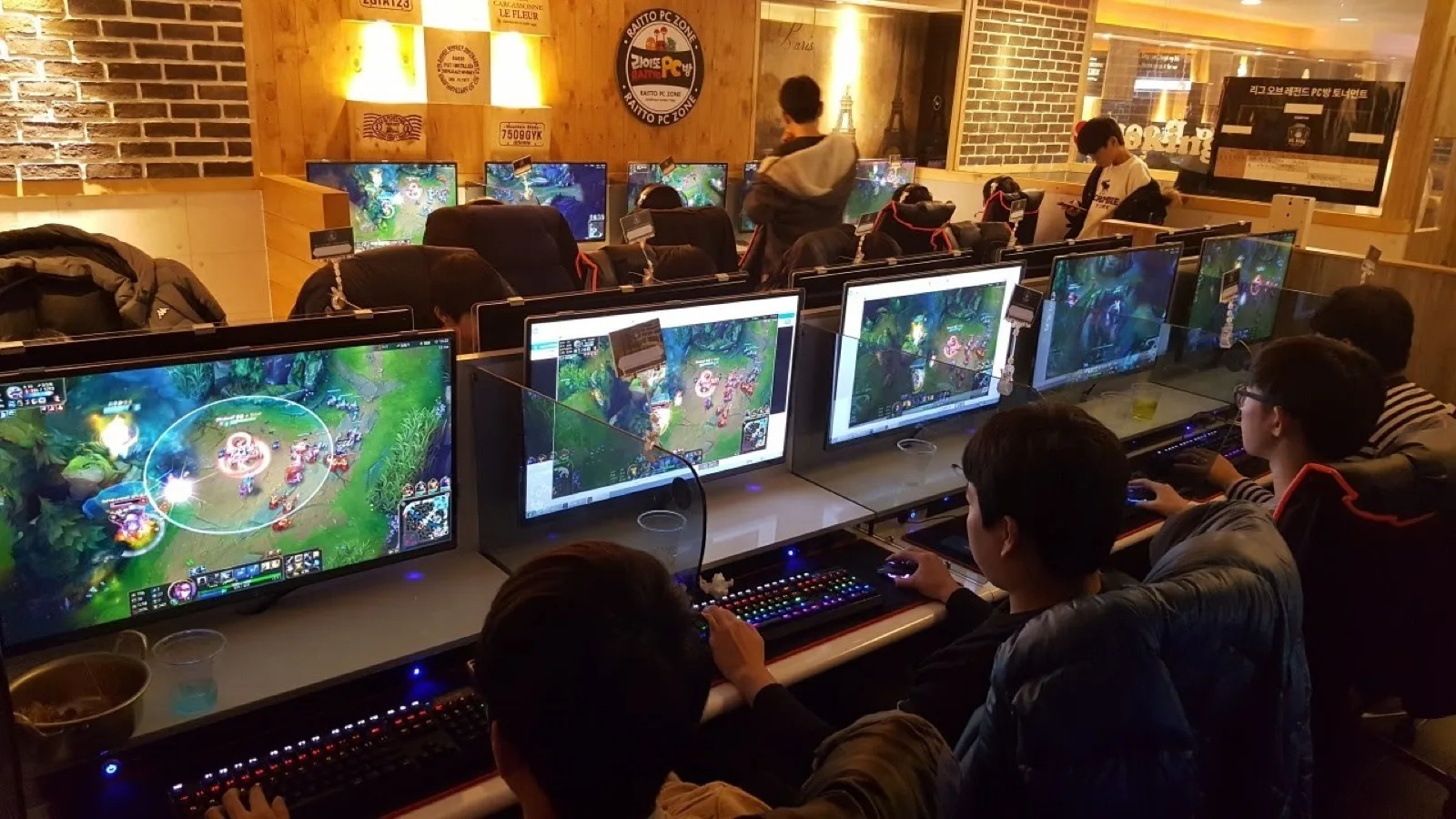
It was my great privilege to lead Riot’s Korea team from its inception in 2011 through an incredible three years of growth. We did so much in those formative years to lay the foundation for the region’s success, and I’m proud of it all. But as a Korean citizen, I’ve found our work on our country’s cultural heritage to be the most personally rewarding.
Riot’s Work for Korean Cultural Heritage
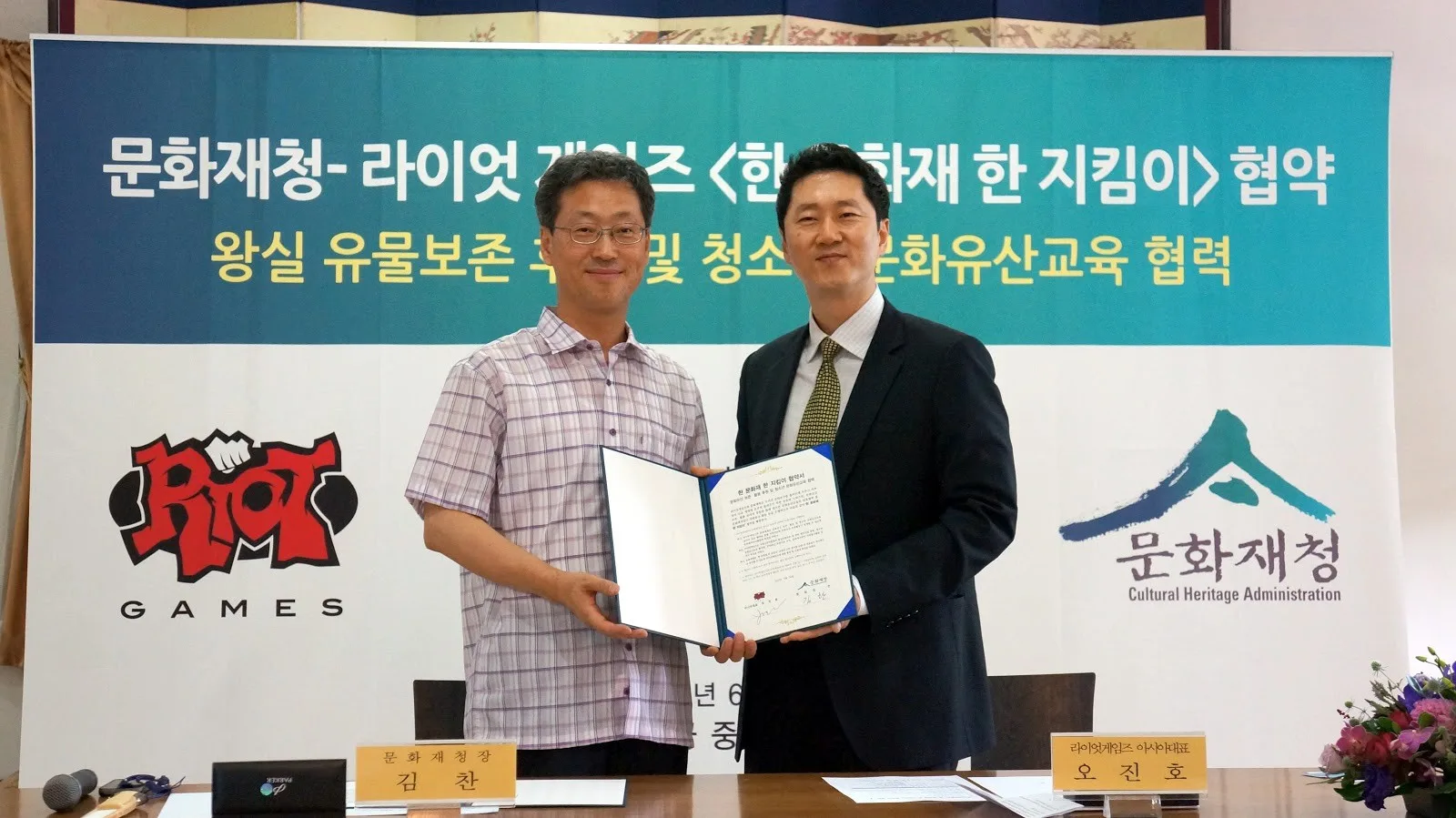
For us, it was important that Korean players knew and felt that we were there for the long haul. As we got ready to launch League, we didn’t want players to get the impression that Riot was just coming to the country to make a quick buck. More importantly, as citizens ourselves, we felt strongly that it was important for us to give back to the society we lived in. This was not only a duty but a privilege. So we decided to invest heavily in our corporate social responsibility (CSR) program.
Now, many companies have CSR programs, so this wasn’t necessarily a novel idea by itself. But we really cared about doing work for the benefit of our society, so we decided to invest in CSR activities without tying them back to our product. Rather, we chose to support the heritage of our country directly, without any reference to League of Legends itself.
Ever since, we have partnered with the Cultural Heritage Administration (CHA) on a range of activities, including:
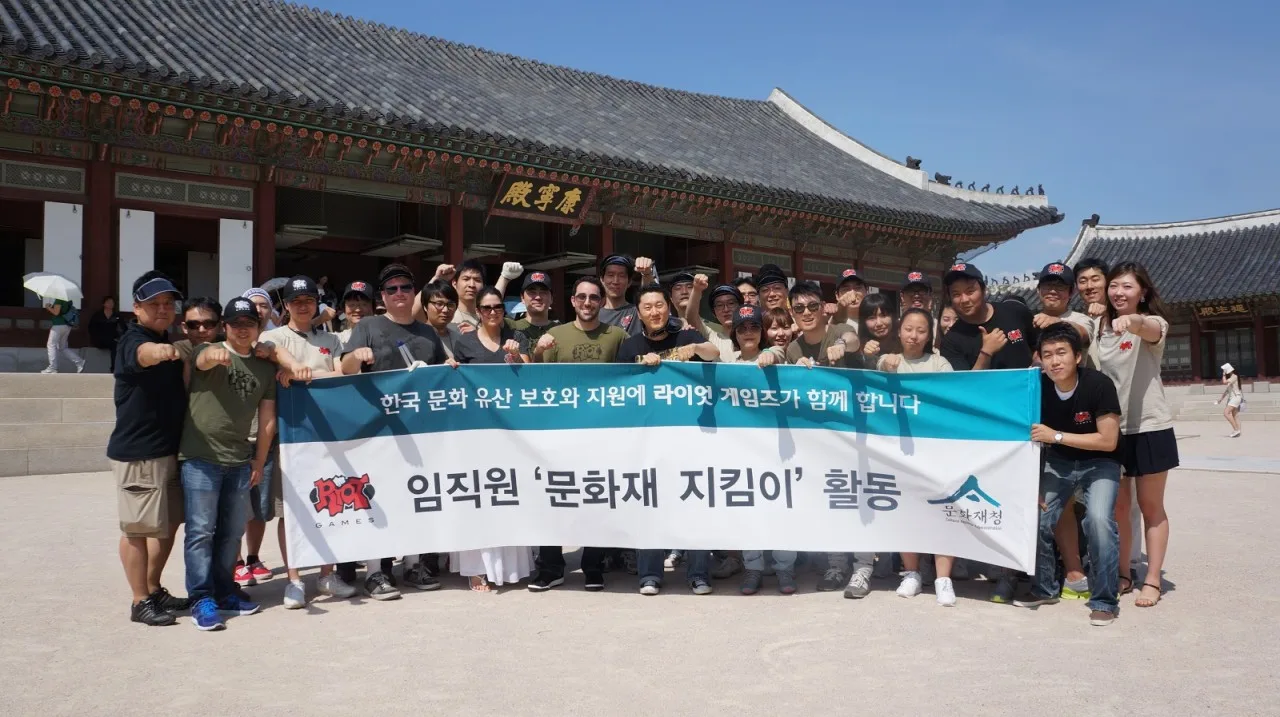
Education. A lot of Korean youth play video games. That’s good in a lot of ways, and it certainly turned out well for League of Legends and Riot. But we also wanted to foster a passion for their own history in them, and we realized that we could make ourselves a vehicle for getting young people interested in these topics. So in partnership with the Cultural Heritage Administration, we sponsored a number of educational programs to teach young players about the rich legacy that they are heirs to.
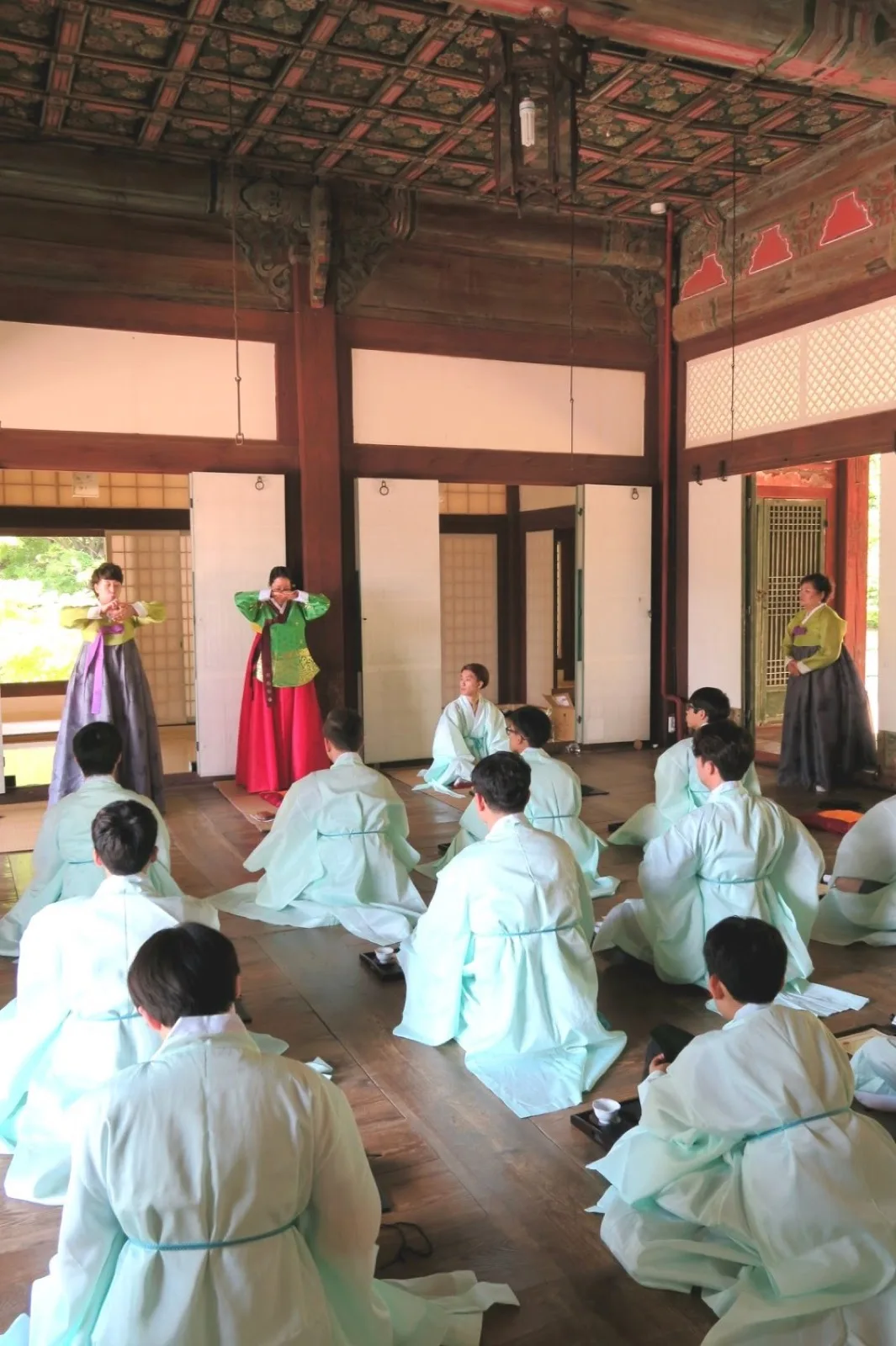
Since 2012, we have sponsored over a hundred history classes for a total of over 4,000 students, including everything from tours of palaces to conversations with scholars. Recently, we’ve begun a two-day, overnight camping experience as well. We even set up some classes in the Seoul office itself for our own Rioters.
It’s been wonderful to see so many young people get involved in their heritage like this, and I hope it continues for many years to come.
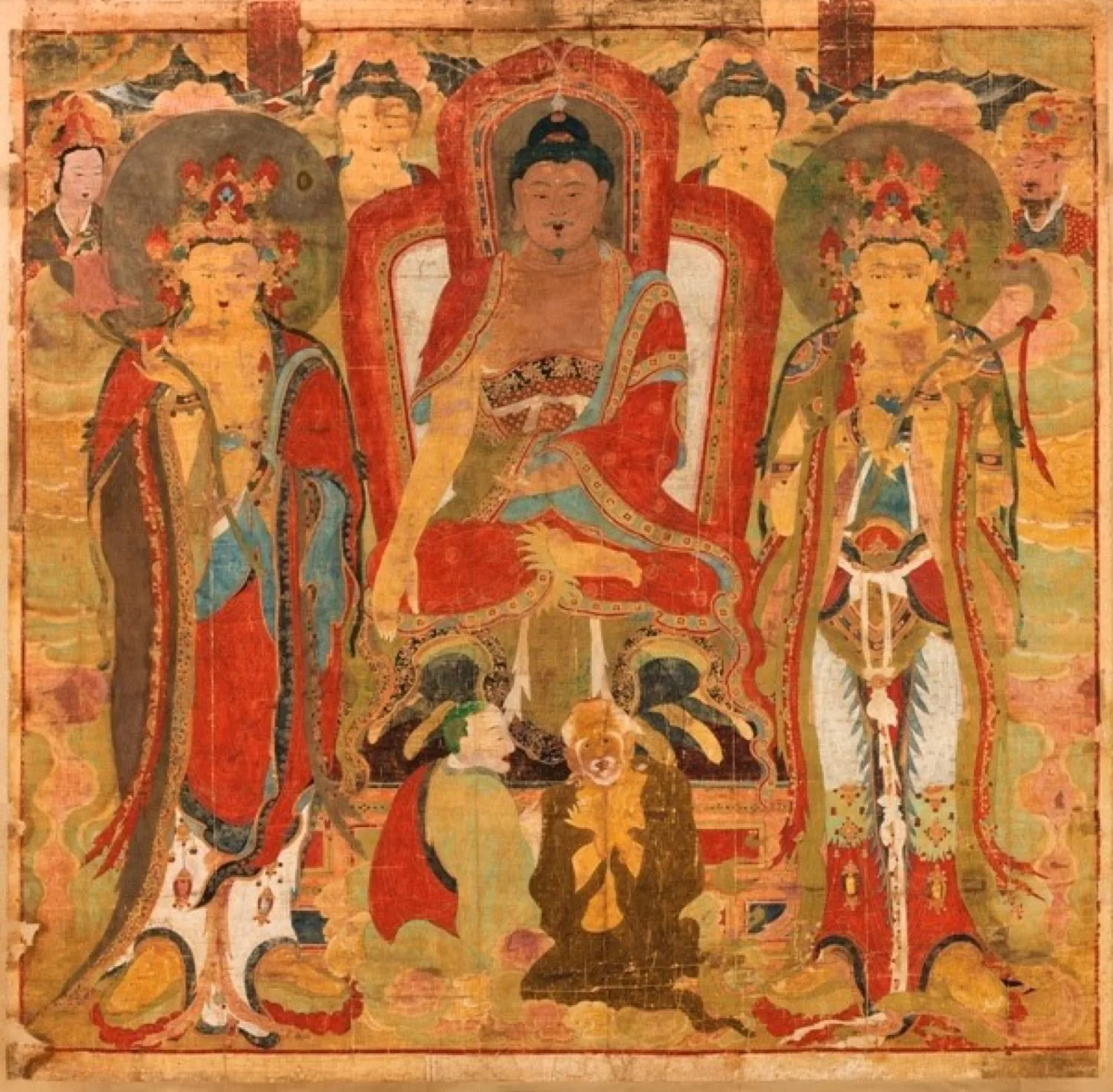
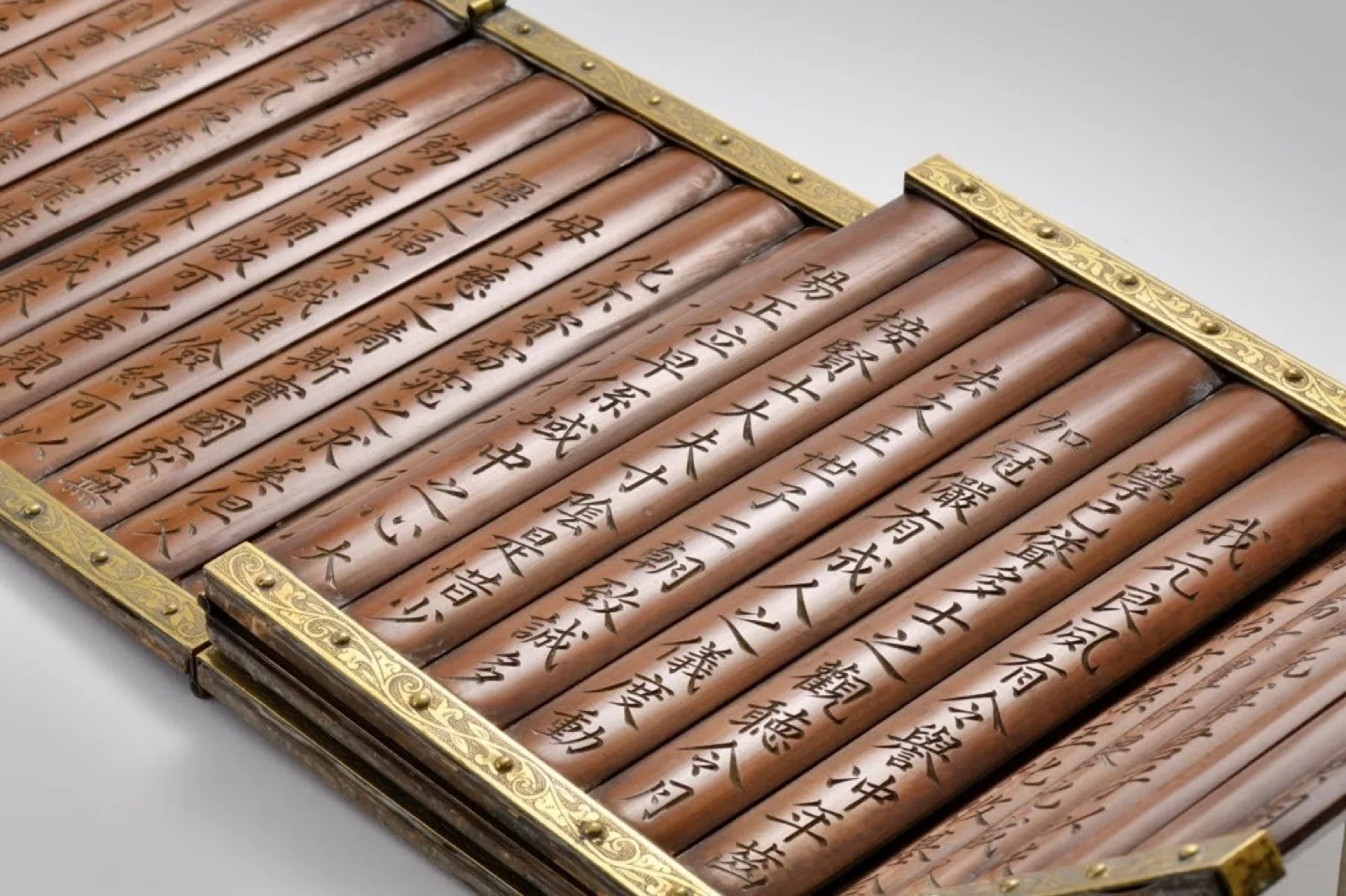
Repatriation and Restoration. In partnership with the Cultural Heritage Administration, we have helped to repatriate cultural artifacts from abroad, such as a classic painting, ancient bamboo and woodblock books, and even a royal seal. Riot provides funding for recovery, which is more difficult for the government to do since a company can make quick decisions with high budgets. As a private company, we can move money quickly so that the CHA or the Overseas Korean Cultural Heritage Foundation can purchase these items from their current owners.
We’ve also provided funding to restore cultural sites and other relics from a state of disrepair. This had included everything from recreating the interiors of individual rooms to 3D surveys of ancient traditional shrines. Our funding has also helped in the restoration of more modern sites, such as the residence of 20th-century poet Lee Sang.
In fact, some of the simpler restoration work is done by Rioters! The Seoul office will often organize volunteer days so that we can help clean historical sites. I think it’s incredibly important that we don’t just give money, but our own time and labor to our nation’s history. Our culture isn’t just a donation, it’s an experience.
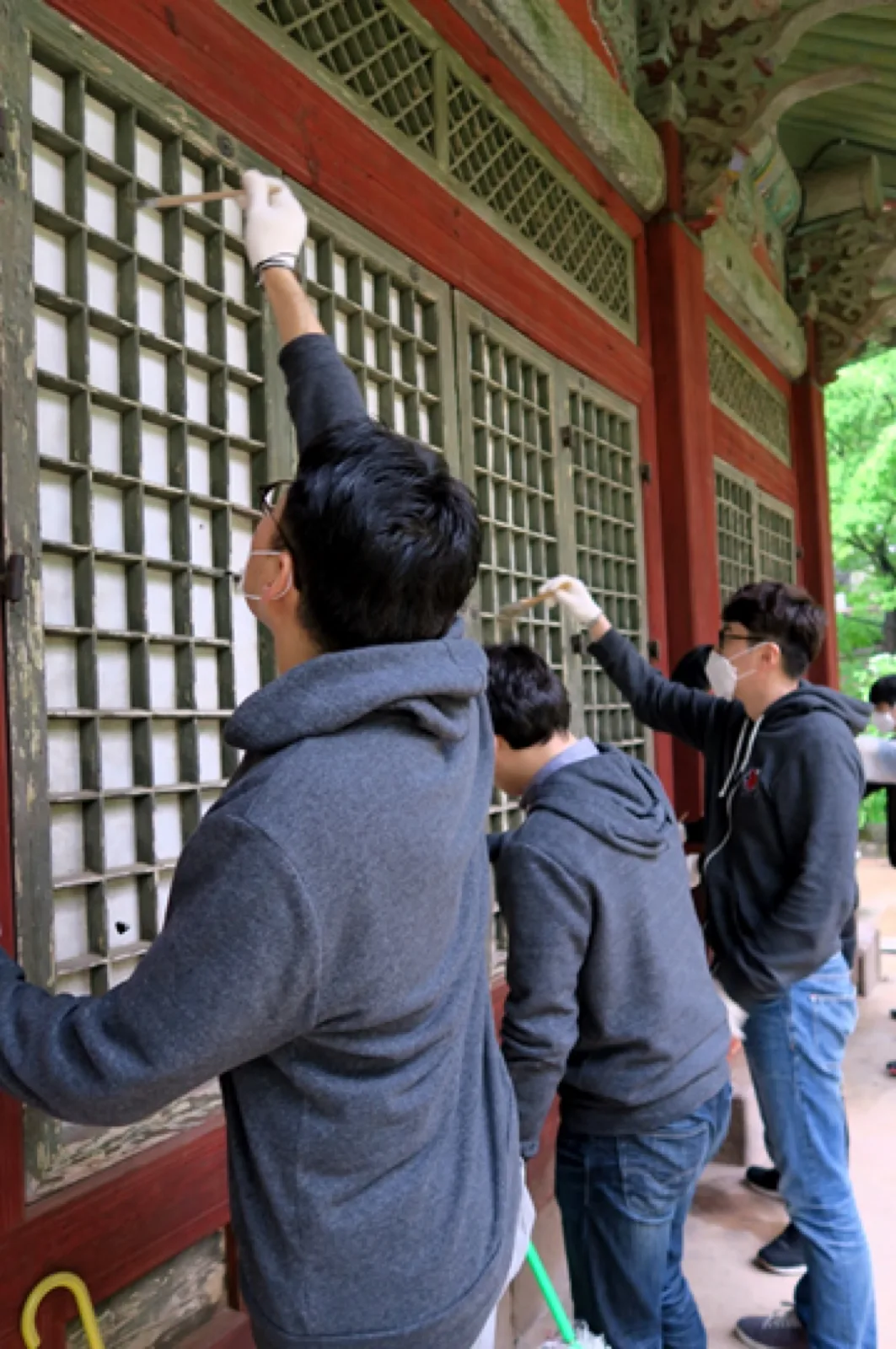
Together, these sites and artifacts represent our living history, pieces of the past that are still with us today. It is critical that these pieces be preserved and preserved in their home country. There’s a lot of work left to do, and Riot will be involved in it in every way it can. That was not a decision that could have been made an ocean away; only an empowered team who lived in Korea could have thought of such a thing. I am very grateful we’ve gotten the opportunity to do so.
A Lasting Impact
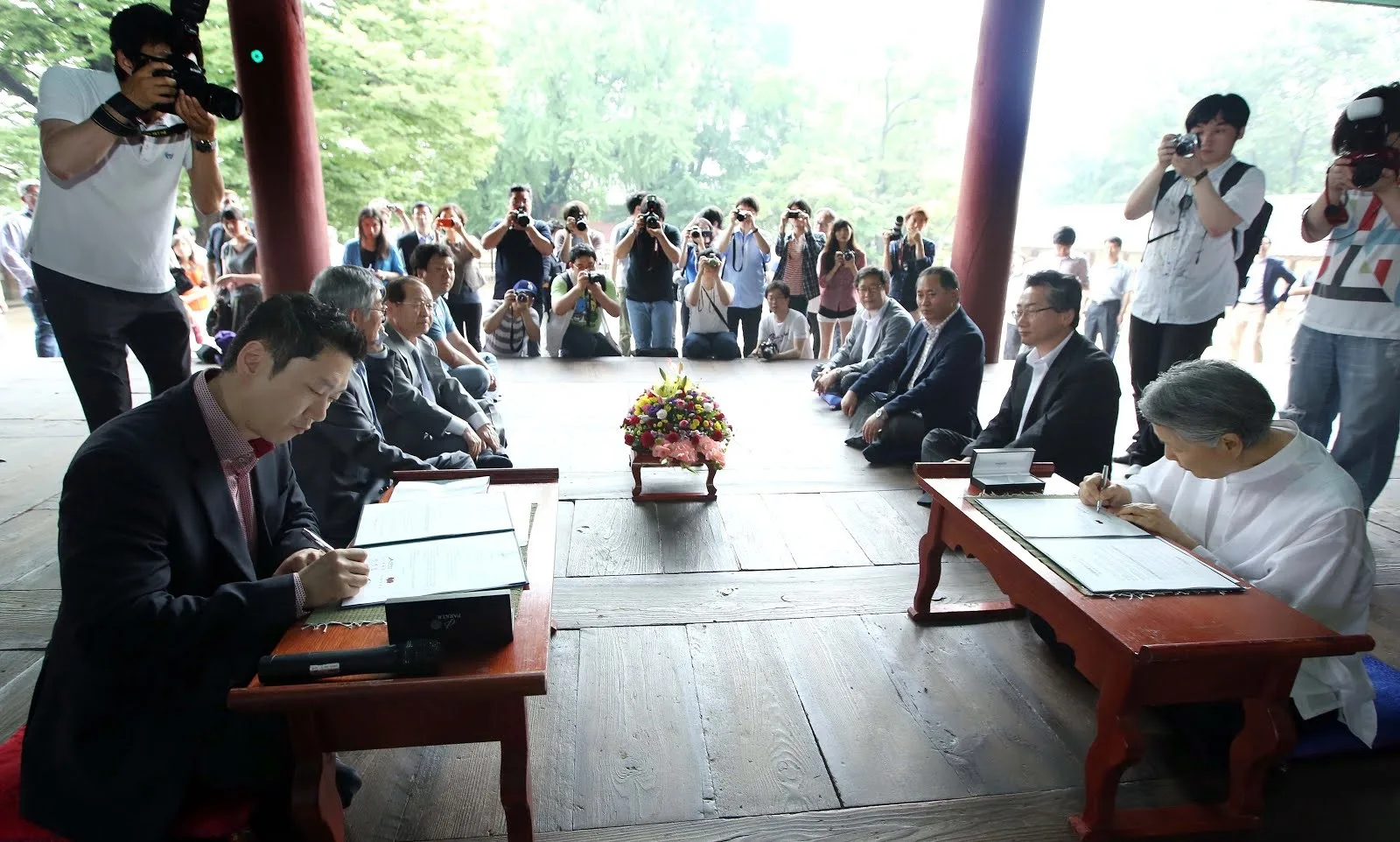
To meet players where they are globally, we empower our local teams. In Korea, we chose to invest in the cultural history of its people. Over the past nine years, the office has contributed millions of dollars and thousands of Rioter hours into heritage efforts. My heartfelt thanks to the CHA, whose constant partnership in all these endeavors has made this all possible.
Player sentiment towards these efforts has been incredibly positive, with many citing this as a key driver of their trust in Riot and even of their engagement with League. Every time they pay for a skin in the game, they know they’re helping bring an artifact back from abroad. What’s more, many top-tier candidates for jobs at the Seoul office reference our CSR work as a reason they want to join. And in 2018, I was proud to learn that our Seoul office had been honored with the President’s Award for its sustained cultural work.
We’ve shown Korean players that we care about more than just their gaming preferences. We care about them as a people, as a history, as a legacy. Without the Korean office’s cultural heritage work, Riot would not have a relationship with Korean players that is as deep and enduring.
It’s rare to find a job that can make you feel proud as a citizen. Riot’s willingness to empower local teams to drive their own initiative gave me the opportunity to do so.
Gaming is riding a massive wave, sitting on the edge of a global cultural breakthrough. Where the entertainment landscape of the 20th century was driven by linear media, the next century will be defined by interactive arts. And gaming is at the core. In some parts of the world, that has already been the case for some time.
Globally, gaming is becoming its own culture, defined by a set of experiences shared by millions.
But it’s not that way for players everywhere just yet, and we want to make it a reality. One of the ways we think we can do that is through publishing.
Our vision in Worldwide Publishing (WWP) is that publishing advances player culture. It’s not just getting games into the hands of players: We want gaming to be a lifestyle choice for those who want it, lasting way beyond their last session. Gaming should form new traditions that people can look forward to time and time again. We want them to have a community.
The wave has been building for a while. But we won’t be happy to just watch it happen: We want to ride it to success with players.
Product Publishing at Riot Games Creates Community
Because we publish in-house, we work hand-in-hand with the game development teams to build these shared moments for players. Whether it’s a trailer or an in-person event, everything we do should be authentic to the game itself, its tone, and — most importantly — its community.
When we were preparing to launch VALORANT, our 5v5 character-based tactical shooter, we knew we wanted to foster a community around the game, but communities aren’t grown overnight. They’re based on relationships, which in turn are founded on trust. So we reached out to active tac shooter players across the world and asked about their issues with the games currently available and their hopes for what a new game could accomplish. The dev team took that feedback and tried their best to put it into VALORANT.
By the time VALORANT was ready to launch, this core group of players already had an opinion of Riot. They knew that we’d listen to their feedback and try to find common ground. That meant we had a relationship with the tac shooter crowd on the day the closed beta released, and we’ve expanded that relationship to cover all of VALORANT’s players ever since.
We can only advance player culture if we proactively reach out to people as early as we can, and as far as we can. We’ll only ever ask for trust, and the way we ask is by listening first.
Performance Arts Celebrates the Esport Community
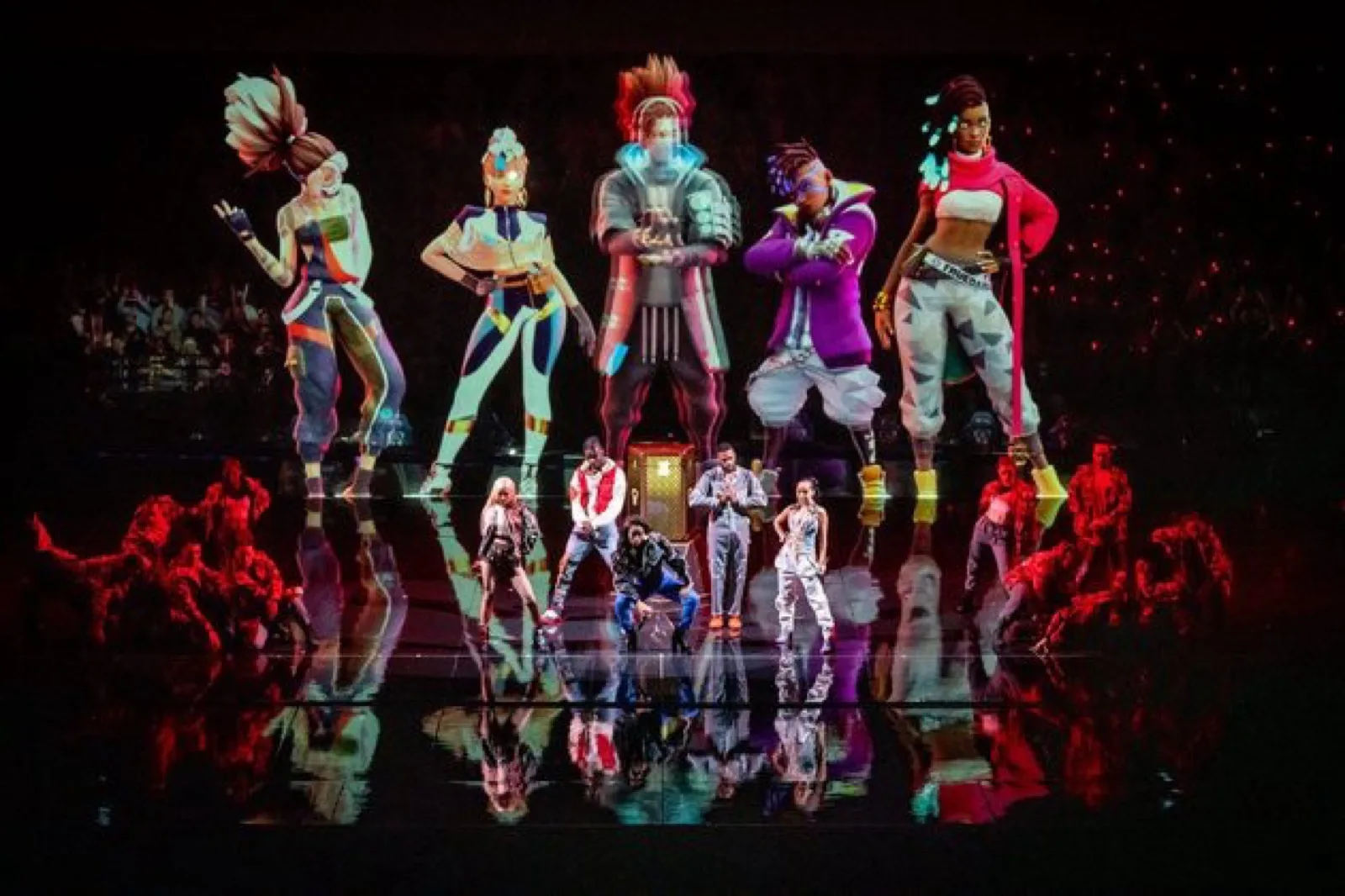
Even just a decade ago, esports only drew niche audiences. Today it routinely draws hundreds of thousands, sometimes even millions, of viewers. But sports culture is about much more than the competition.
We try to turn big matches into an event players will remember, with live musical performances, surprise visits from League champions, and the occasional dragon flyover in addition to the score and results. It’s a celebration of a shared passion, expressed through much more than just the game itself, and it’s something people remember together. Cultures are built when memories are shared, when an experience unites like-minded people long beyond its moment.
The opening ceremonies for the League of Legends World Championship Finals over the last few years have aspired to be more than just matches: We want them to be experiences. We’ve been releasing anthems since 2014, and recently have begun composing in-house music (sung by in-game champions) that are performed live on the Worlds stage. Our hope is that the events create memorable experiences before the first games even start.
We aren’t just trying to put on a good show. We want to create unforgettable moments for players who turn up or tune in.
Regional Community is Built by Meeting Players Where They Are
So how does a company that started in the U.S. speak authentically to players from different communities around the world? By empowering our regional offices to engage in the way they know will resonate with local players. These Rioters know how to create a shared moment that’s specific to their area, and they can also turn a global event into a regional celebration. That’s not a translation, that’s speaking natively.
We ran a global event around League’s tenth anniversary where we announced several new games (including VALORANT). Because the central event took place in Los Angeles, that meant the timing wouldn’t work for all players. Regional offices were empowered to run their own unique events so players could celebrate in a way that fit them.
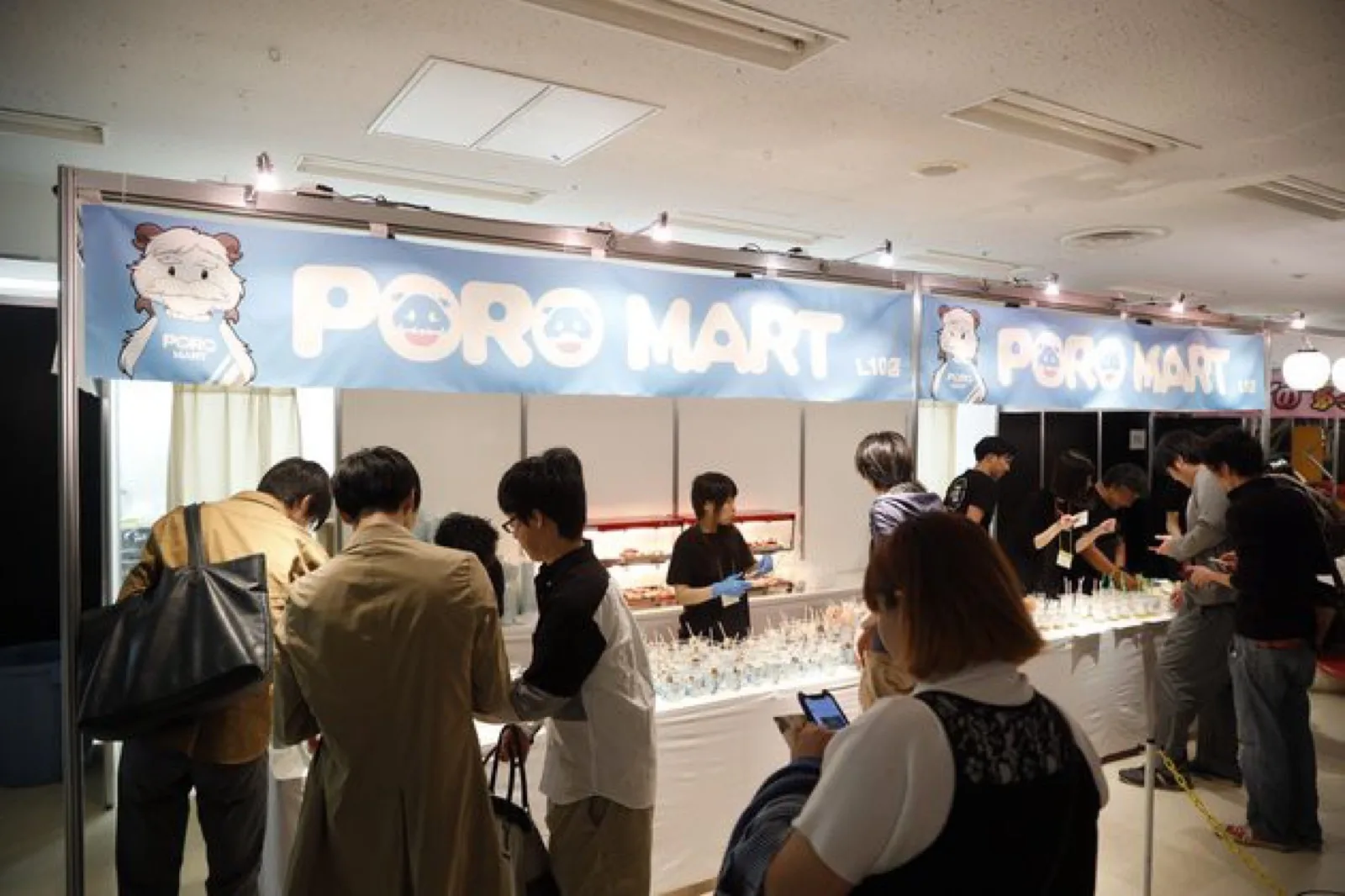
The Japan office held an event themed as a traditional festival. Everything there combined a love of national culture with a love of League, from the “Poro Mart” that served League-inspired food to carnival games like a punching mat inspired by Vi, one of our fighter champs.
Several regions tried to serve a customized, local experience built around a single, global event. And that, at the end of the day, is what culture is all about: Embracing what we share through our differences.
Breaking the Wave
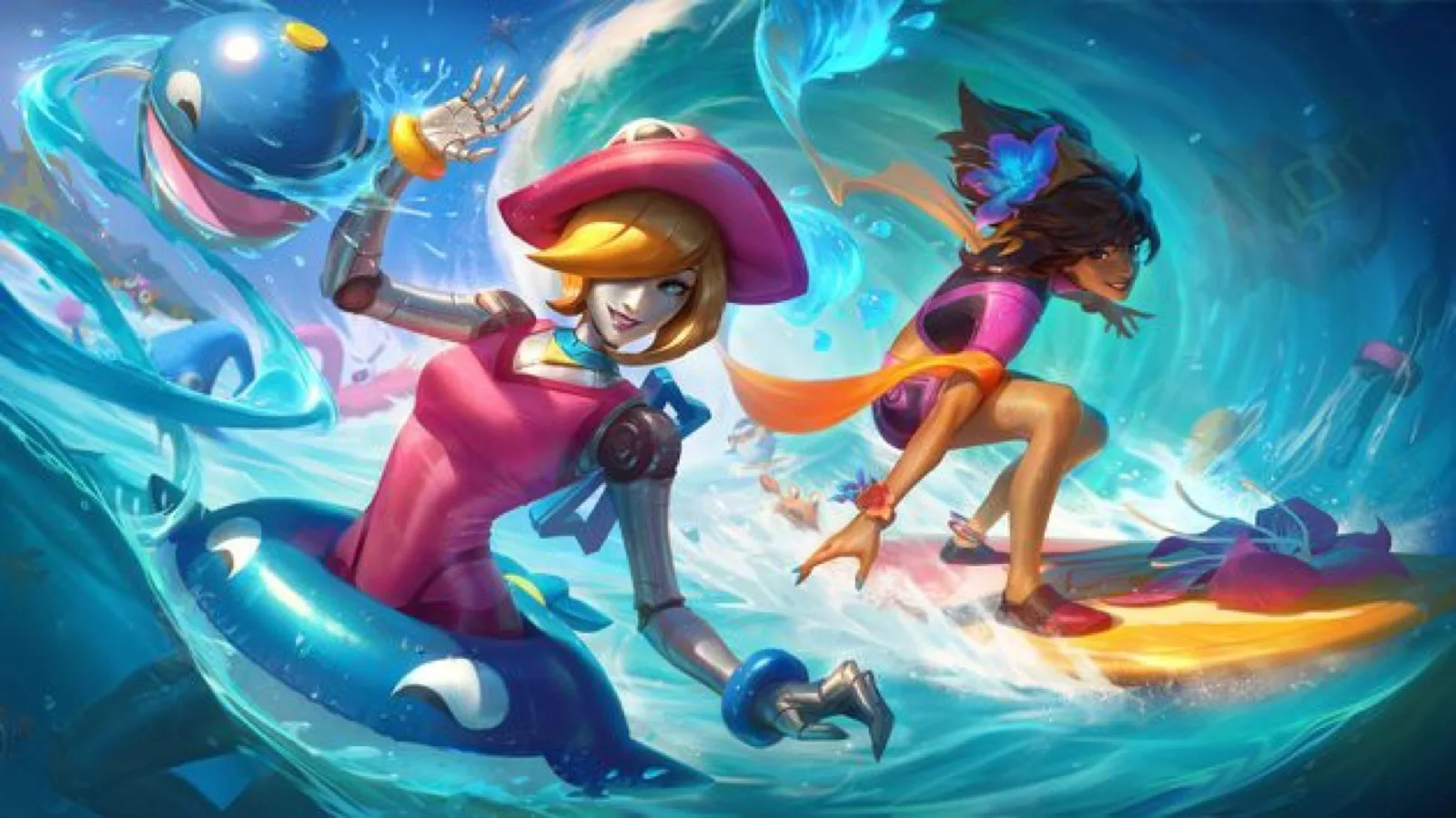
We think games drive conversations globally, whether they’re about music that tops charts, Worlds finals, or a recipe for Poro Snax.
The more moments shared — and the more people that share them — the more the culture advances. That’s what publishing means for us.
That’s the goal that drives each of us every day. That’s what’s going to break the wave.
Contact
Looking to collaborate? Just fill out the form below to find out how we can help.
Privacy Policy
Last updated: YYYY-MM-DD
Lorem ipsum dolor sit amet, consectetur adipiscing elit. Praesent eu dictum nisi, nullam ac euismod magna. This template holds the structure of the policy until the final text is ready.
Section Title
Sub-heading goes here
Lorem ipsum dolor sit amet, consectetur adipiscing elit. In dapibus a orci auctor mollis. Mauris tempor ante turpis, aliquam tempor enim fringilla in. See placeholder link for reference.
Class aptent taciti sociosqu ad litora torquent per conubia nostra, per inceptos himenaeos. In at pulvinar ipsum, in luctus enim.
Section Title
Sub-heading goes here
Mauris nibh neque, sodales id rutrum id, euismod vitae justo. Nam nulla lacus, dictum at consequat sit amet, semper a arcu. Donec ac ornare mauris.
Sub-heading goes here
Praesent tempus in turpis ut rhoncus. Quisque faucibus ex sapien vitae pellentesque sem placerat, in id cursus mi pretium tellus duis convallis.
Section Title
Tempus leo eu aenean sed diam urna tempor. Pulvinar vivamus fringilla lacus nec metus bibendum egestas. Contact us at placeholder link.